Song Meaning
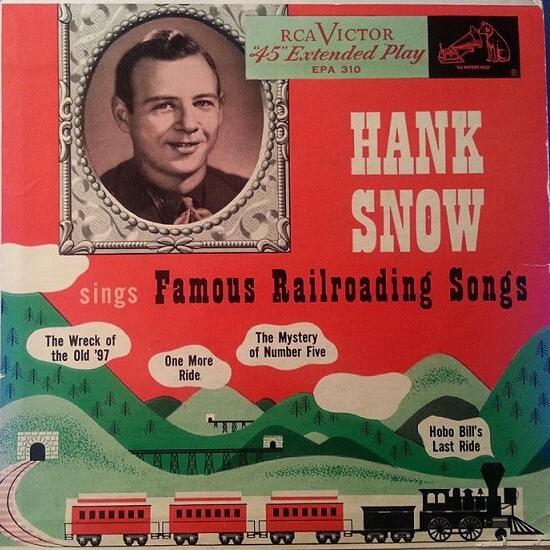
Hank Snow's rendition of "The Wreck of the Old 97" isn't just a country ballad; it's a stark morality play set against the backdrop of early 20th-century industrial hubris. The song, steeped in the tradition of folk storytelling, uses the tragic tale of a train speeding against time as a metaphor for the perils of ambition and the fragility of human control. The pressure placed upon Steve, the engineer, to make up lost time becomes a symbol of the relentless demands of progress and the dangerous shortcuts taken in its pursuit. The image of him urging his "black, greasy fireman" to shovel more coal is particularly potent, highlighting the human cost often obscured by the drive for efficiency. The "mighty rough road" and the loss of airbrakes aren't merely mechanical failures; they represent the inherent risks and unforeseen consequences that accompany pushing limits. The song is a pre-industrial warning against the deification of speed and efficiency.
The graphic details of Steve's demise – "scalded to death by the steam" with his hand still on the throttle – serve as a grim reminder of the ultimate price of reckless ambition. This isn't just a story about a train wreck; it's a cautionary tale about man versus machine, and the deadly consequences of prioritizing speed over safety. The "whistle broke into a scream" is a key moment. It is the sound of technology failing, of a system pushed beyond its breaking point. The image is visceral, almost operatic in its intensity, underscoring the finality of the disaster. It's a scream that echoes the futility of Steve's desperate attempt to control the uncontrollable.
But perhaps the most unsettling part of "The Wreck of the Old 97" is its oddly placed concluding verse. After detailing such a gruesome tragedy, the song abruptly shifts to a warning to women about speaking harshly to their husbands. This jarring juxtaposition isn't a non-sequitur. Rather, it frames the entire narrative within a patriarchal social order. Steve's ambition, his drive to succeed, can be interpreted as a reflection of societal expectations placed upon men. His death then becomes a cautionary example, not just about the dangers of speed, but about the potential consequences of striving too hard to fulfill societal roles. The final verse suggests that the consequences of ambition, even death, ripple outwards affecting those closest to us. This abrupt change of subject matter also emphasizes the limited roles available to women at the time and the importance of family and relationships. The song’s true meaning is the interplay of ambition, technology and social expectation in a young, rapidly industrializing America.
 View Artist