Song Meaning
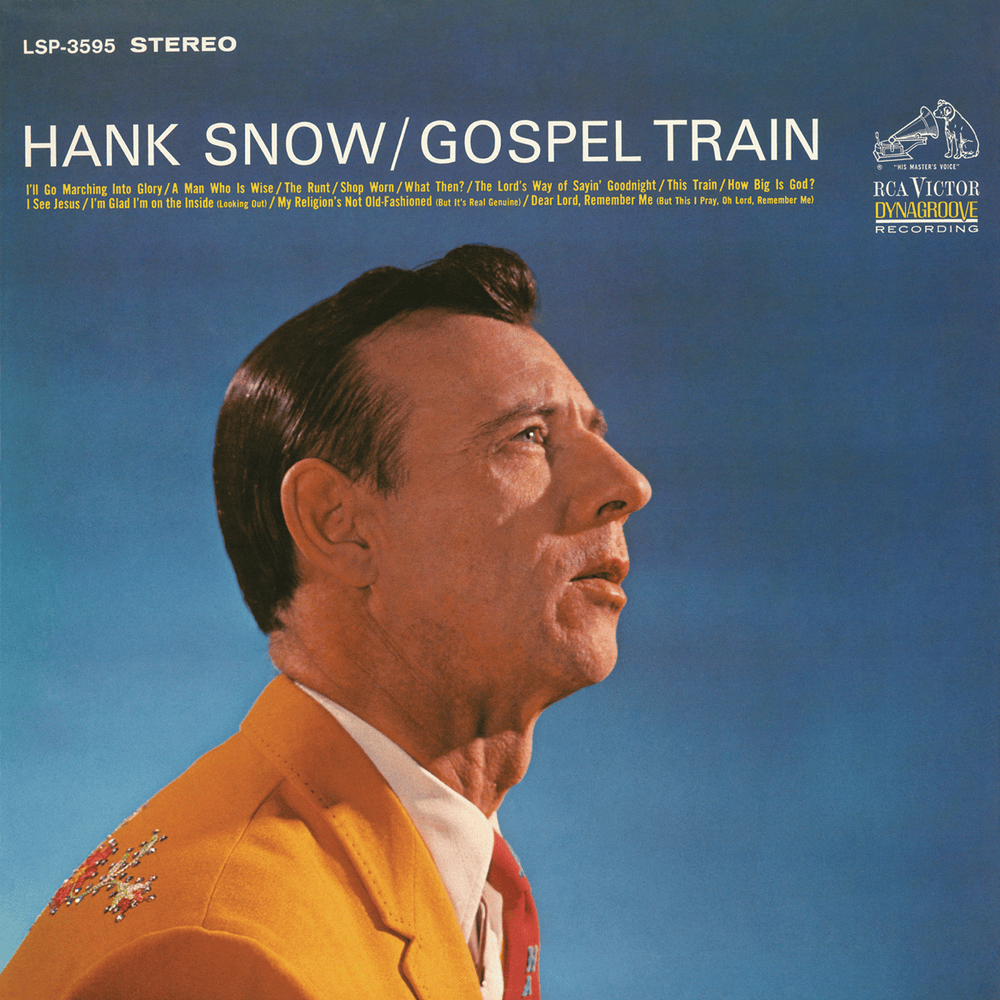
Hank Snow's "The Lord's Way of Saying Goodnight" is not just a simple hymn; it's a masterclass in psychological projection, wrapped in the comforting blanket of faith. On the surface, the song is a gentle affirmation of God's presence, finding solace in the natural world as a manifestation of divine care. The lyrics present a world where even the twinkling of a star and the glow of the moon aren't mere celestial events, but personalized messages from the Almighty, bedtime stories whispered across the cosmos. It's a profound exercise in finding comfort through external validation, where the anxieties of the day are quieted by interpreting nature as a direct line to God's approval.
However, beneath the veneer of pious sentiment lies a deeper current of human need. The repeated phrase "the Lord's way of saying goodnight" hints at a yearning for reassurance, a desire to feel seen and acknowledged. The speaker actively seeks out signs – flowers, birds, breezes – interpreting them as divine gestures to stave off loneliness. This isn't simply passive faith; it's an active pursuit of connection, a projection of the speaker's inner desire for comfort onto the external world. The brilliance of Snow's delivery lies in its sincerity. He fully embodies the role of someone who needs to see God's hand in everything, transforming everyday occurrences into personalized affirmations of love and acceptance.
Ultimately, the song's meaning hinges on the listener's own interpretation. Is it a testament to unwavering faith, or a poignant reflection of human vulnerability? Perhaps it's both. "The Lord's Way of Saying Goodnight" resonates because it speaks to the universal human need for meaning and connection. It reminds us that sometimes, the most profound expressions of faith are born not from dogma, but from the quiet desperation of the human heart, seeking solace in a world that often feels indifferent. Hank Snow doesn't just sing a song; he offers a comforting narrative, one that allows us to find God in the small, quiet moments, even if that God is, in part, a reflection of our own longing.
 View Artist