Song Meaning
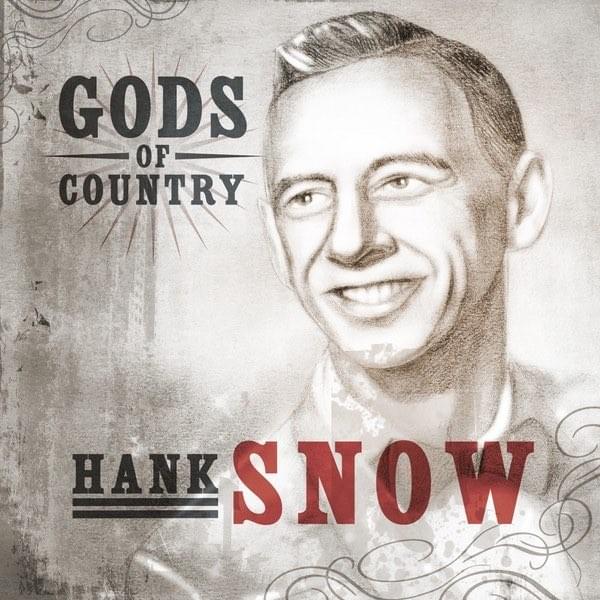
Hank Snow's "The Highest Bidder" isn't just a country lament; it's a morality play staged in the theater of the heart. The song's core metaphor—love as a commodity auctioned off to the highest financial bidder—cuts deep, exposing a cynical worldview where genuine affection is devalued against the allure of wealth. Snow’s narrator, a rejected suitor, watches with sorrow as his beloved chooses material riches over his “true love and devotion.” The song cleverly inverts traditional romantic tropes, suggesting that love, when bartered, loses its intrinsic worth.
The genius of "The Highest Bidder" lies in its understanding of delayed regret. The lyrics foreshadow a future where the superficial pleasures of wealth fade, leaving the protagonist's former lover with the bitter realization that she squandered a priceless gift. The line, "When all your wealth and riches cease to give you pleasure…you'll recall that love alone is life's true everlasting treasure," encapsulates this impending disillusionment. It's a poignant commentary on the ephemeral nature of material possessions versus the enduring power of authentic emotional connection.
Ultimately, "The Highest Bidder" is a cautionary tale about prioritizing fleeting riches over lasting love. The final verse reveals the song's central irony: while the narrator's bid of “true love” was initially rejected, it was, in fact, the highest offer. The song suggests that genuine emotional connection has a value that transcends monetary worth, a value that only becomes apparent when it's too late. Snow doesn't just sing about heartbreak; he delivers a stinging critique of a society that increasingly equates worth with wealth. The "lyrics analysis" reveals a timeless message about the true cost of chasing fool's gold.
 View Artist