Song Meaning
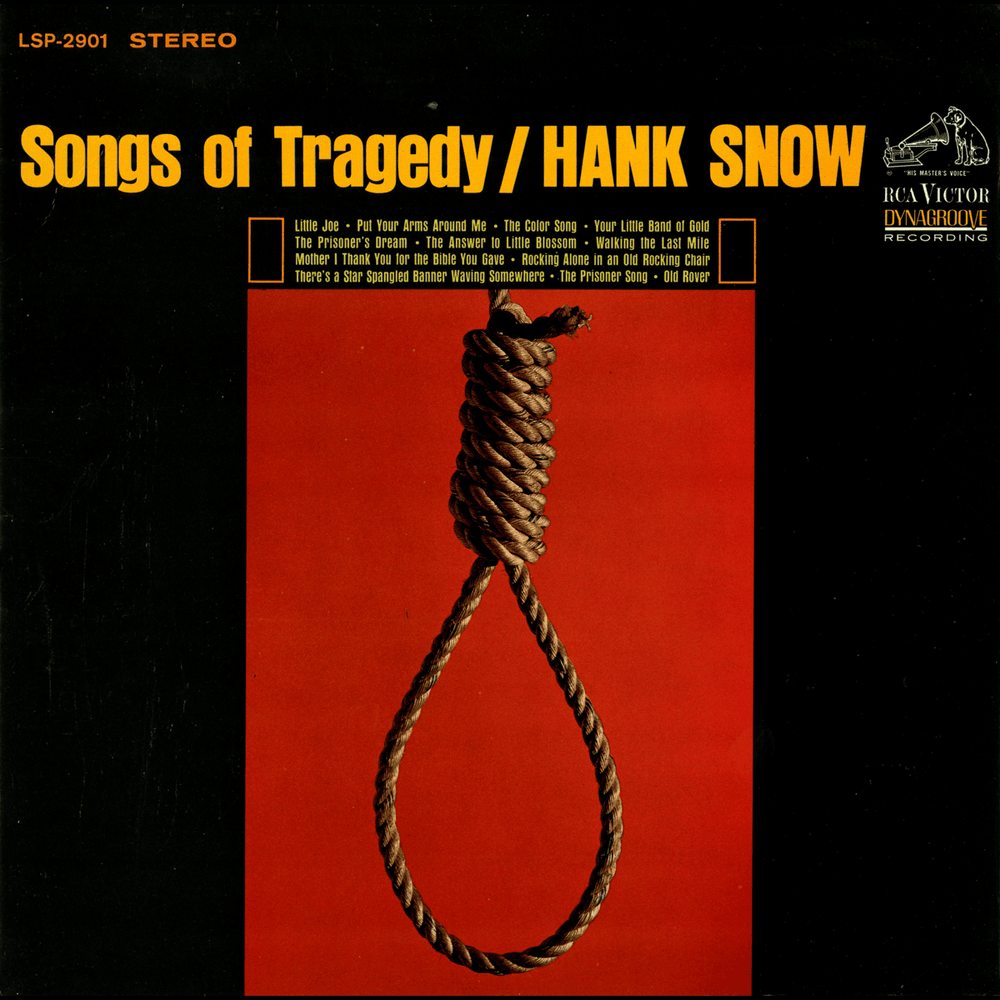
Hank Snow's "The Color Song" isn't just a country tune; it's a stark, psychological portrait of grief and revenge, painted in the shades of a shattered world. The song meaning unfolds through a series of color associations, each tied to a specific, devastating event in the narrator's life. White, typically a symbol of purity and new beginnings, is twisted into the unattainable wedding, a future stolen by infidelity. Blue represents the heartaches inflicted by his lover, while green signifies the eyes of the man who took her away, marking the beginning of his descent. Gray skies foreshadow a day of tragedy, setting the stage for irrevocable acts. These colors aren't merely descriptive; they are emotional anchors, dragging the listener into the depths of the narrator’s despair.
The descent continues into violence and its aftermath. Black symbolizes the gun, the instrument of his vengeance. Red is the blood of the "false lover," a stark image of the act that seals his fate. Brown earth beneath gray skies reflects the bleakness of his world, a landscape devoid of hope. The loss of color signifies the complete annihilation of joy and meaning in his life, a sentiment that becomes the song's chilling refrain. The second verse shifts to the judicial consequences. Black reappears as the judge's cloak, a symbol of cold, impartial justice. White now represents the narrator's pallid face, a mask of fear as he hears his sentence. Blue is internalized as tears, suppressed and private. Red roses, typically symbols of love, are now enjoyed by others, emphasizing his isolation and loss.
The final verse offers a glimmer of time's passage, but not redemption. Gold hair transitions to silver, representing the years spent imprisoned, a slow, agonizing burn. The rainbow, a symbol of hope and promise, is gone, replaced by the unchanging reality of his loss. The repetition of the line "Life lost its color when I lost my love" underscores the permanence of his emotional state. "The Color Song" is not simply a tale of love gone wrong; it's a psychological exploration of how grief, rage, and the consequences of violence can drain the world of its vibrancy, leaving only shades of sorrow and regret.
 View Artist