Song Meaning
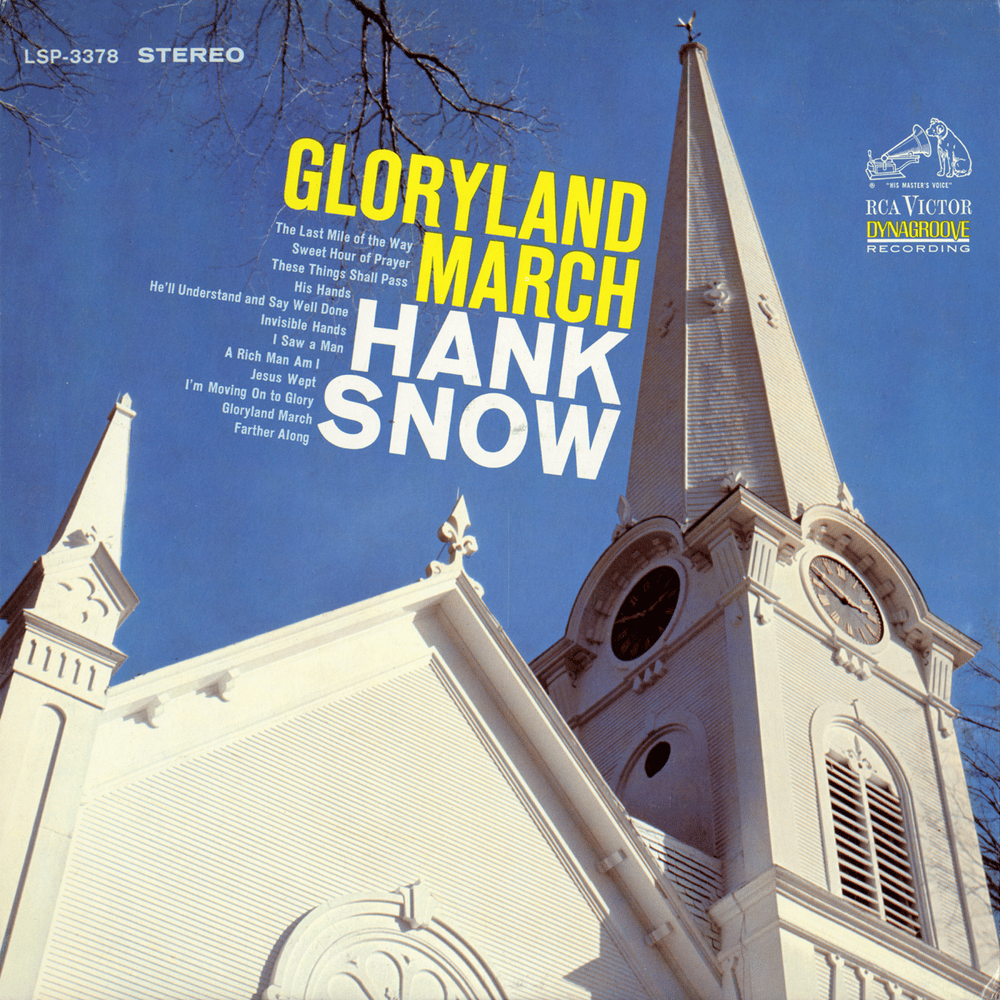
Hank Snow's rendition of "Sweet Hour of Prayer" isn't just a hymn; it's a stark acknowledgement of human frailty and the solace found in structured ritual. The song's repetitive invocation, "Sweet hour of prayer, sweet hour of prayer," acts as a mantra, a centering mechanism against the "world of care." It's a sonic representation of finding refuge, not in grand pronouncements, but in the quiet, consistent act of supplication. The brilliance here lies in its simplicity; prayer becomes less about divine intervention and more about psychological grounding. Snow's delivery, steeped in the tradition of country gospel, underscores the idea of faith as a bulwark against life's inevitable storms.
The lyrics subtly expose the listener's vulnerability. Phrases like "seasons of distress and grief" and "tempter's snare" hint at an ongoing internal battle. This isn't blind faith; it's a conscious choice to seek relief from tangible suffering. The "sweet hour of prayer" isn't a passive experience; it's an active engagement with one's own anxieties, channeled through the framework of religious belief. The song suggests that the act of articulating "wants and wishes" to a higher power is, in itself, a form of catharsis. It's a way of externalizing internal chaos, even if the outcome remains uncertain.
Ultimately, "Sweet Hour of Prayer" is about control—or rather, the relinquishing of it. The singer acknowledges their limitations, choosing to "cast on him my every care." This isn't necessarily about divine intervention; it's about offloading the burdens of existence onto something larger than oneself. The "waiting soul" isn't just waiting for a blessing; it's waiting for the internal shift that comes from surrendering to something beyond immediate comprehension. Hank Snow's delivery transforms a potentially saccharine sentiment into a raw, honest expression of human need. It's a testament to the power of ritual in navigating the complexities of the human condition.
 View Artist