Song Meaning
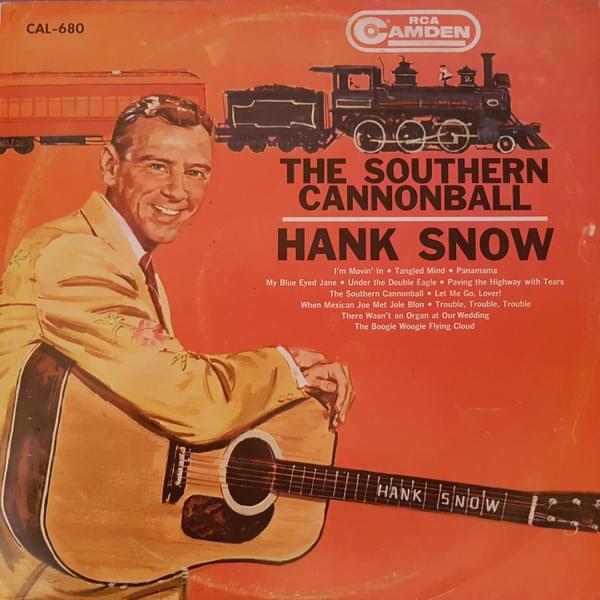
Hank Snow's "Paving the Highway With Tears" isn't just heartbreak; it's a masterclass in country music's stoic suffering. The core image, repeated like a mournful mantra, speaks to a love so profound its absence physically alters the landscape of the narrator's life. He's not just sad; he's actively constructing a monument to his pain, each teardrop a paving stone on this endless road of sorrow. The lyrics bypass self-pity, instead projecting a quiet acceptance of his fate. He understands his presence is now an impediment to his beloved's happiness, a selfless sacrifice that underscores the depth of his affection. This isn't a plea for reconciliation; it's a resigned farewell. He acknowledges his love will endure, even predicting the failure of her new relationship, but without bitterness, only a melancholy certainty.
The genius of the song meaning lies in the interplay between the grand, almost biblical scale of the "highway" metaphor and the intimate details of the narrator's emotional state. He's not just leaving; he's leaving a trail, a literal path of tears, which paradoxically offers a twisted kind of hope. Should her new love falter, she knows how to find him, following the glistening testament to his enduring devotion. But the road is also "lonesome and forsaken," a future stripped bare of joy, defined only by the absence of the beloved. The steel guitar, a weeping voice in its own right, amplifies this sense of desolation, turning each note into another glistening tear on the highway.
Ultimately, "Paving the Highway With Tears" is a study in the quiet dignity of heartbreak. It explores the paradox of loving someone so much that you're willing to vanish from their life, leaving behind only a trail of sorrow as a map back to what was. The narrator's acceptance of his fate, his lack of recrimination, and his enduring love elevate the song beyond a simple tale of lost romance into a poignant exploration of sacrifice and the enduring power of the human heart, even when shattered. The song meaning resonates because it taps into a universal fear: being forced to walk away from the person you love most, knowing that every step forward is a step further into a desolate, tear-soaked future.
 View Artist