Song Meaning
Hank Snow's "Ninety Miles an Hour (Down a Dead End Street)" isn't just a country lament; it's a psychological profile of self-destructive desire. The song's core metaphor—a reckless, high-speed journey toward inevitable ruin—captures the intoxicating allure of forbidden romance. It speaks to the human tendency to chase fleeting pleasure, even when the consequences are glaringly obvious. Snow paints a picture of two individuals, already committed to others, who succumb to an irresistible attraction, fully aware of the impending crash. The initial "few stolen kisses" quickly escalate into something uncontrollable, a dangerous momentum fueled by the thrill of transgression. The lyrics illustrate a loss of agency, a surrender to primal urges that override reason and responsibility. The "brakes were gone" suggests a critical moment where rational thought is abandoned, replaced by the immediate gratification of the affair.
The image of a "bad motorcycle with the devil in the seat" powerfully conveys the intoxicating and dangerous nature of the relationship. It's not just a simple mistake; there's a dark, almost demonic force driving them forward. The repeated line, "Doin' 90 miles an hour down a dead end street," emphasizes the futility and impending doom. They are accelerating towards a wall of stone, fully conscious of the destruction they're inviting. The song's psychological weight comes from the tension between desire and awareness. They "didn't want to want to," highlighting the internal conflict between their better judgment and their overwhelming feelings. They recognize the "warning signs," but their addiction to the illicit connection blinds them to the consequences.
Ultimately, Hank Snow's song delves into the complexities of human nature. The "Ninety Miles an Hour (Down a Dead End Street)" lyrics reveal the ways in which we are sometimes drawn to destructive patterns, driven by forces that defy logic and morality. The "sweet sweet wine" of their stolen moments is a potent, but ultimately poisonous, elixir. The song is a cautionary tale, not just about infidelity, but about the dangers of unchecked impulses and the allure of self-sabotage. The song's enduring appeal lies in its raw honesty and its unflinching portrayal of the human capacity for both profound love and profound self-destruction.
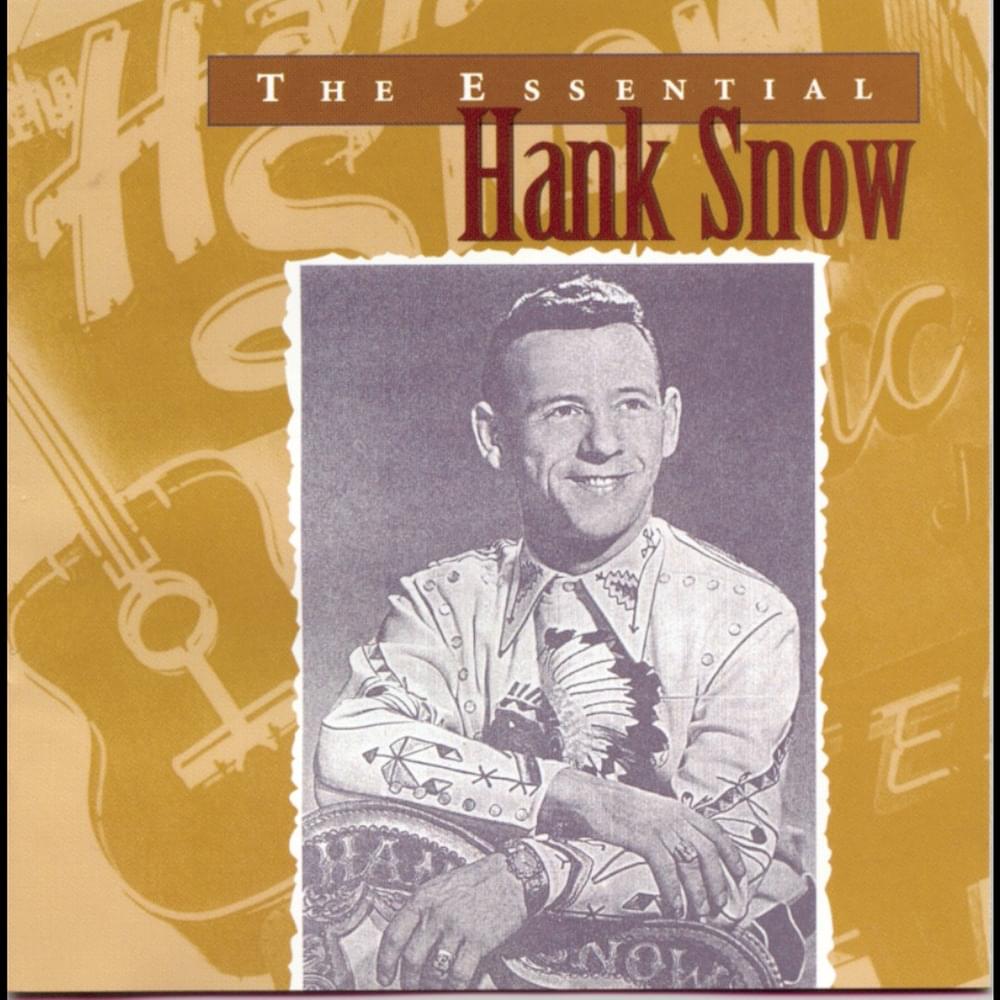
 View Artist