Song Meaning
Hank Snow's "Lazy Bones" isn't just a country tune; it's a pointed, if somewhat whimsical, commentary on the Protestant work ethic as viewed through a rural lens. The song’s central figure, the titular "Lazy Bones," is repeatedly called out for shirking responsibility and indulging in idle leisure, a cardinal sin in a world where survival depends on diligent labor. The lyrics paint a vivid picture of missed opportunities and potential ruin, all stemming from a refusal to engage in productive activity. The repetition of phrases like "You'll never get your day work done" and "You'll never make a dime that way" drives home the consequences of such perceived indolence. It’s a stark contrast between the idealized image of rural life and the hard realities of agricultural existence.
Beyond the surface-level admonishment, "Lazy Bones" hints at a deeper psychological tension. The song's speaker seems less concerned with the actual economic impact of Lazy Bones's behavior and more with the symbolic violation of societal norms. There’s a judgmental tone that suggests envy or perhaps a fear of succumbing to the same temptation of laziness. The references to praying for bugs to fall off vines and wishing fish wouldn’t bite reveal a reliance on chance and avoidance of effort, traits that are presented as inherently flawed. The song subtly explores the internal conflict between the desire for rest and the pressure to conform to expectations of constant productivity.
Ultimately, the song's meaning resides in its portrayal of work as a moral imperative. While the melody might be lighthearted, the underlying message is serious: in the world depicted by Hank Snow, one’s worth is directly tied to one’s ability and willingness to work. Whether "Lazy Bones" is a cautionary tale or a satirical jab at societal pressures remains open to interpretation, but its resonance lies in its exploration of the complex relationship between labor, leisure, and personal value.
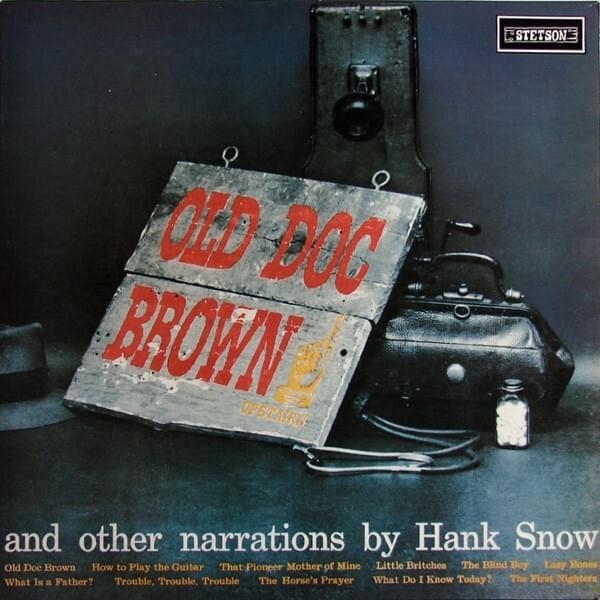
 View Artist