Song Meaning
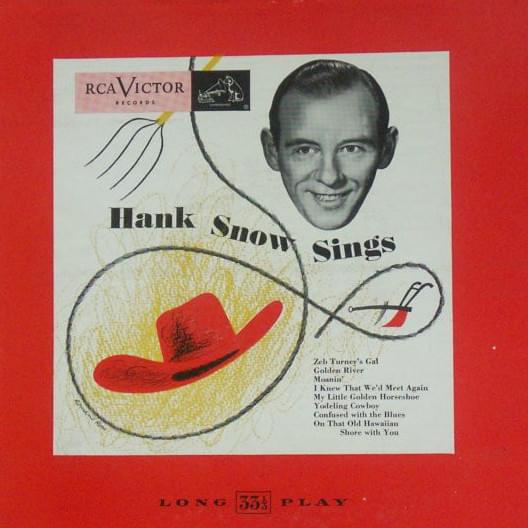
Hank Snow's "Golden River" isn't just a country lament; it's a study in grief and the haunting power of place. The river itself becomes a character, a shimmering embodiment of loss. The lyrics paint a picture of idyllic romance shattered, transforming a once-beloved landscape into a constant, painful reminder. The golden river, initially a witness to blossoming love, morphs into the agent of its demise, its "waves of golden hue" now synonymous with heartbreak. Snow masterfully uses the setting to externalize the singer's internal turmoil.
The song's power lies in its simplicity. The narrator's pain isn't intellectualized; it's raw and visceral. He doesn't dissect the reasons for Lola Lee's departure; he simply states the agonizing impact. The recurring image of the moon and the night shadows amplify the sense of isolation and the cyclical nature of grief. Each night brings a fresh wave of memories, each moonbeam a reminder of what's been lost. The river's constant flow mirrors the relentless passage of time, a time that offers no solace, only the deepening of sorrow.
The chorus, a direct address to the "Golden River," serves as both accusation and lament. The river is not merely a passive backdrop; it's actively blamed for the singer's suffering. This personification of nature highlights the psychological tendency to project our emotions onto the external world, seeking a tangible target for our pain. The hyperbole of a heart broken "a million million ways" underscores the overwhelming nature of the loss, a wound so profound that it defies rational quantification. Ultimately, "Golden River" explores the enduring power of memory and the ways in which specific places can become inextricably linked to our most profound emotional experiences.
 View Artist