Song Meaning
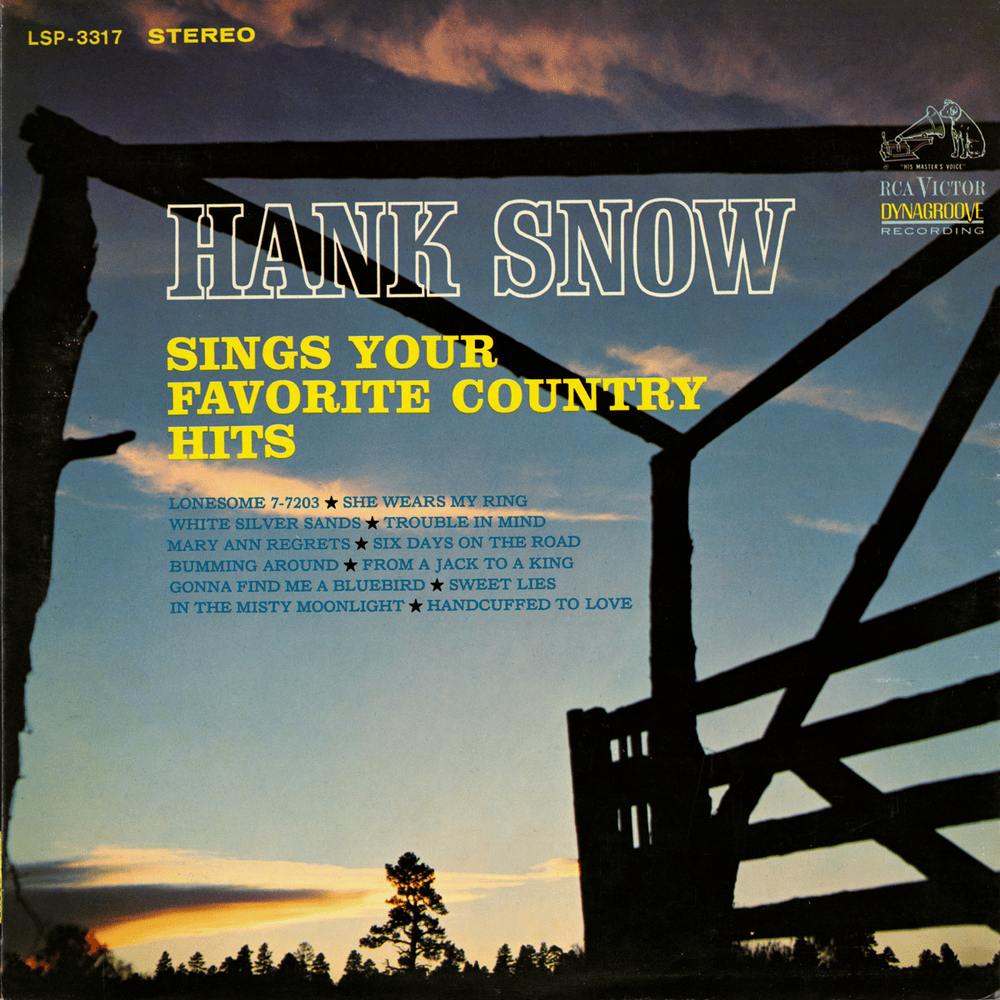
Hank Snow's "Bumming Around" isn't just a jaunty tune; it's a ragged manifesto of existential escape. The song's core narrative revolves around a deliberate rejection of societal pressures and anxieties. The protagonist, burdened by nascent worries, chooses instead to embrace a transient, almost idyllic freedom. The 'old slouch hat' and 'roll on my shoulder' aren't mere props; they're symbols of a chosen detachment, a conscious shedding of responsibility in favor of a life unbound. It's a romanticized vision of vagrancy, yes, but one deeply rooted in the human desire to liberate oneself from the perceived constraints of modern life. The core of the song's appeal lies in the fantasy of a life unburdened by financial strain or social expectations. The repeated declaration of being 'free as the breeze' isn't just a catchy refrain; it’s the embodiment of the song's central theme: a celebration of autonomy achieved through voluntary simplicity. The narrator's insouciance is both aspirational and a little defiant.
"Bumming Around" also taps into a deeper psychological current: the allure of impermanence. The idea of having 'nothin' to lose' might seem bleak on the surface, but Snow reframes it as a source of power. It is the ultimate freedom from consequence, a way to shed the weight of potential failure. The song's structure reinforces this sense of cyclical escape. The verses about worries triggering the urge to 'hit the trail again' suggest that this 'bumming around' lifestyle isn't just a one-time choice, but a recurring coping mechanism, a way to temporarily silence the noise of the world.
Ultimately, the song's appeal transcends its simple melody. It's a siren song for the restless spirit, an anthem for anyone who's ever felt the urge to walk away from it all, even if just for a little while. Hank Snow isn't just singing about bumming around; he's selling us a vision of unadulterated, if somewhat unrealistic, liberation. It’s a freedom bought with the currency of dispossession, a trade-off many listeners, at least in their daydreams, find appealing.
 View Artist