Song Meaning
Hank Snow's "Blue For Old Hawaii" isn't just a postcard from paradise; it's a sonic portrait of heartbreak painted with the specific shades of longing and loss. The song meaning resides in the juxtaposition of the idyllic setting and the singer's profound sorrow. Hawaii, usually a symbol of escape and beauty, becomes a cruel reminder of what's been lost. It's a place of 'drowsy waters' and 'shores of paradise,' yet it's where the relationship ended, imbuing the landscape with a melancholic aura. The repetition of 'I've got them old Hawaii blues' isn't merely a catchy refrain; it's an acknowledgement of a persistent emotional state, a blues that are inextricably linked to this particular place.
Lyrically, Snow paints a vivid picture of a love gone sour. The reference to 'big blue eyes and dark brown curls' that 'made skies of grey turn into blue' is a classic romantic trope, but it's immediately undercut by the stark reality of separation. The past tense hangs heavy in the air; the blue skies are gone, replaced by the 'blues.' The song cleverly uses color as a metaphor, with 'blue' representing both the beauty that once was and the sadness that now is. The singer isn't just sad; he's 'blue for old Hawaii,' a specific, geographically-defined kind of melancholy.
Ultimately, "Blue For Old Hawaii" explores the complex relationship between place and emotion. It's a song about how a location can become indelibly marked by personal experiences, transforming a paradise into a prison of memory. The hope, however faint, that 'some day your mind will wander back' suggests a lingering attachment and a refusal to completely let go. It’s a testament to the enduring power of love and loss, set against the backdrop of a seemingly eternal paradise that can't quite erase the pain of a broken heart. The 'old Hawaii blues' are not just a feeling; they are a permanent fixture in the singer's emotional landscape.
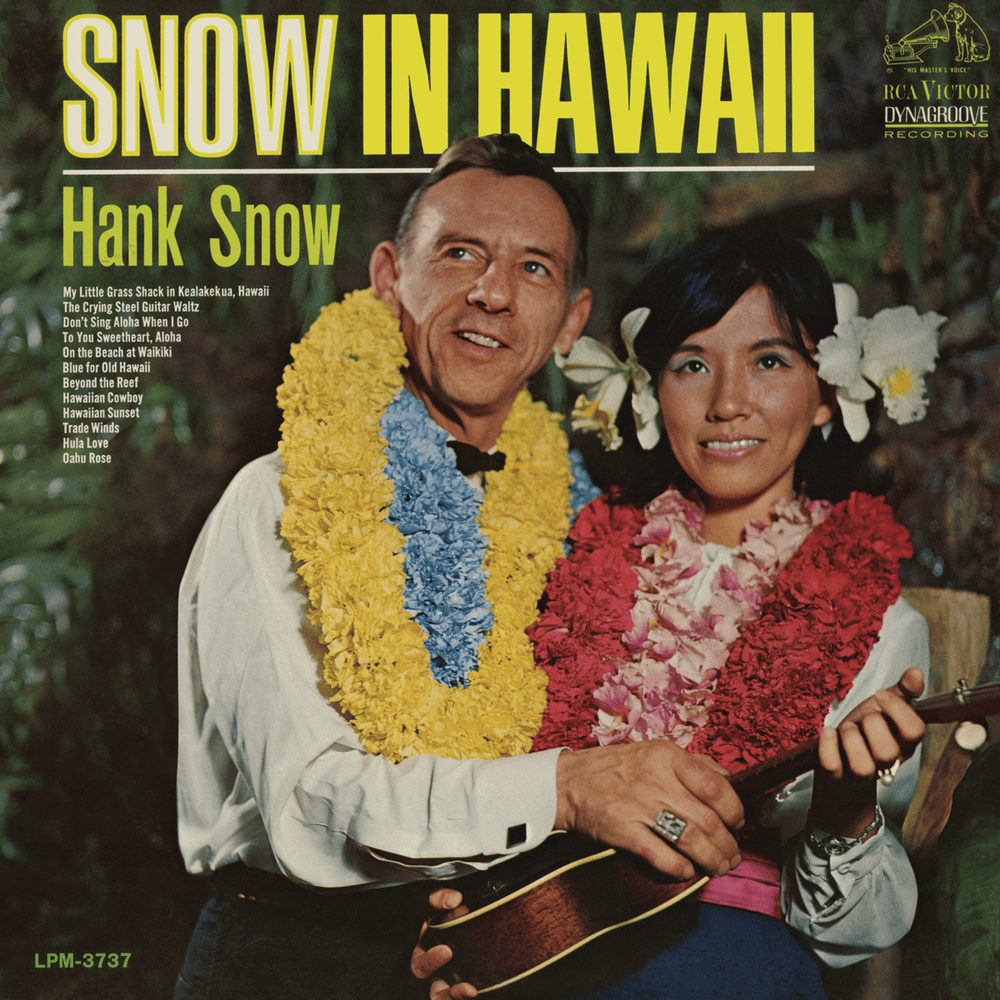
 View Artist