Song Meaning
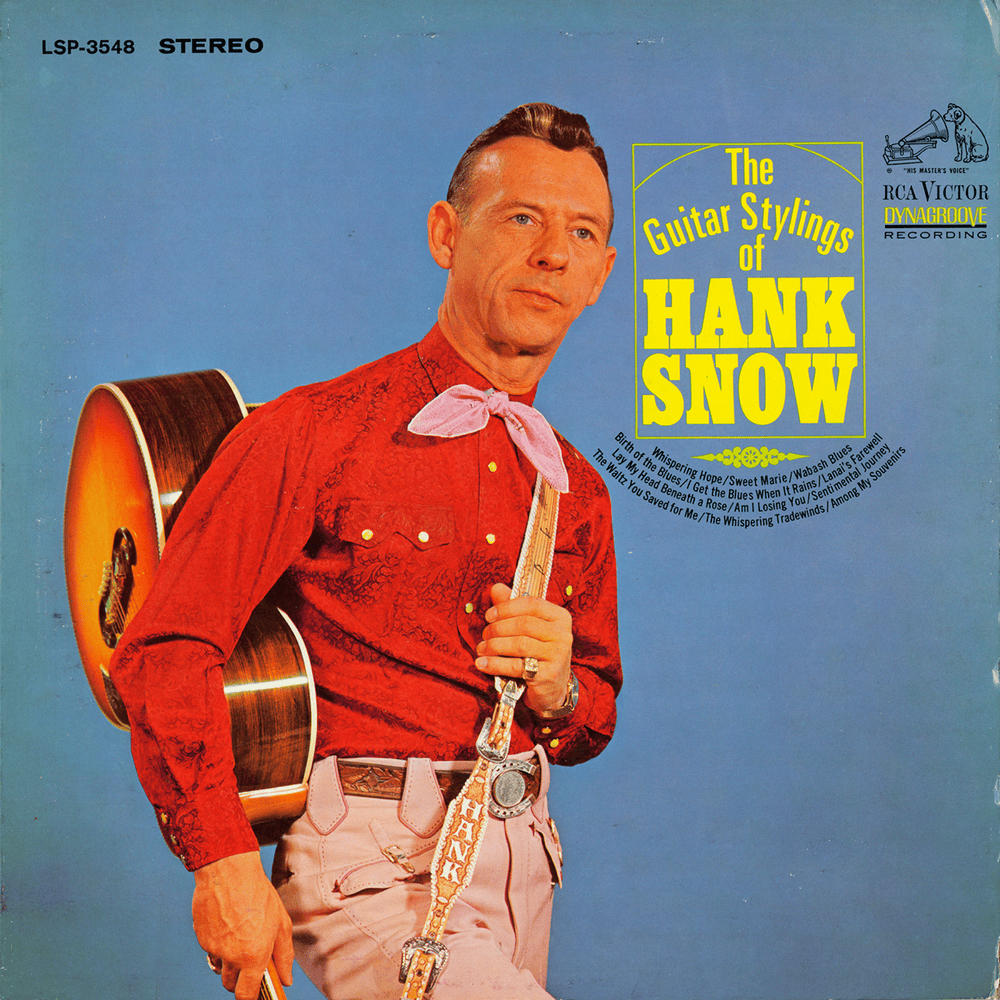
Hank Snow's "Birth of the Blues" isn't just a song; it's a creation myth. Forget academic musicology; Snow paints a folksy, almost primordial scene of the blues' genesis. It's less about pinpointing a historical moment and more about conjuring the feeling of inevitability, the sense that the blues were always lurking, waiting to be born from the very air and the sorrows of the human heart. The opening lines immediately establish this organic origin, whispering of melodies carried on the wind through the trees, a natural symphony waiting to be discovered. This isn't some calculated invention; it's an awakening. The song meaning here is about the organic nature of the blues.
But the breezy imagery takes a darker turn, grounding the blues in human suffering. The "wail of a down-hearted frail" emerging from a jail cell is a stark reminder that the blues are not just pretty melodies; they are the sound of confinement, despair, and the human spirit's resilience in the face of it. The blues, according to Snow, are born from both the beauty of the natural world and the harsh realities of life, a duality that defines the genre to this day.
The whippoorwill on the hill adds another layer, suggesting a process of refinement and transmission. This bird's song, a raw, untamed sound, is "pushed through a horn," transforming it into the iconic "blue note." It speaks to the adaptation of folk sounds into something more universally understood. The repetition of "the southland gave birth of the blues" isn't just a geographical marker; it's a declaration of cultural identity, claiming the blues as a uniquely Southern phenomenon, forged in the region's landscape and its people's experiences. The song is about the creation of a uniquely southern genre, one born of both nature and suffering.
 View Artist