Song Meaning
Hank Snow's "Any Old Time" isn't just a simple plea for reconciliation; it's a nuanced exploration of codependency, forgiveness, and the enduring power of the familiar. The surface narrative—a lover extending an open invitation to return—masks a deeper, more complex emotional landscape. The narrator's willingness to welcome back a partner who caused them "a load of care" speaks volumes about their own needs and vulnerabilities. It's a classic country trope, but Snow infuses it with a weary resignation that elevates it beyond mere sentimentality. The repeated line, "Any old time you wanna come back home," becomes less an expression of unconditional love and more a quiet acknowledgement of a cyclical, perhaps even destructive, pattern.
The lyrics hint at a past transgression, a "game" the partner failed to play fairly. This isn't a case of innocent wandering; there's a clear implication of betrayal or mistreatment. Yet, instead of dwelling on the hurt, the narrator focuses on the present, offering solace and stability. The line "Now that you're down I'm going to stick by you" reveals a potential savior complex, a need to be needed that overrides any lingering resentment. It's a fascinating dynamic, one where the act of forgiveness becomes a form of self-preservation. The narrator's identity seems inextricably linked to this relationship, even in its damaged state.
Ultimately, "Any Old Time" resonates because it taps into the messy realities of human connection. It acknowledges that love isn't always rational or healthy; sometimes, it's a tangled web of obligation, history, and deeply ingrained patterns. The musical arrangement, with its mournful trumpet and clarinet, reinforces this sense of bittersweet acceptance. It's a song about the comfort of the familiar, even when that familiarity is tinged with pain, and the enduring human tendency to return to what we know, regardless of the cost.
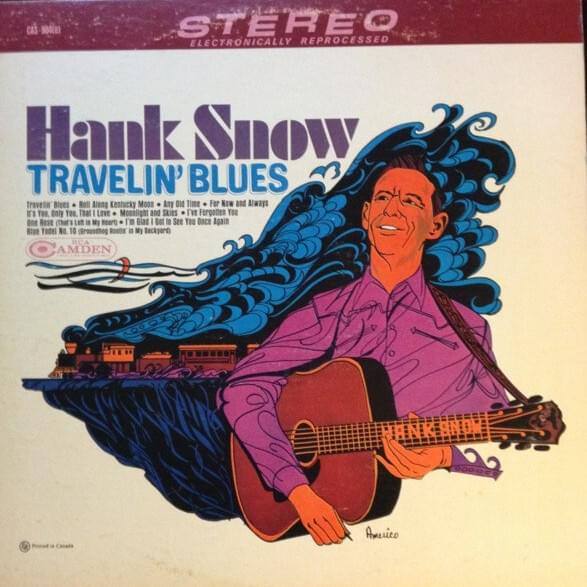
 View Artist