Song Meaning
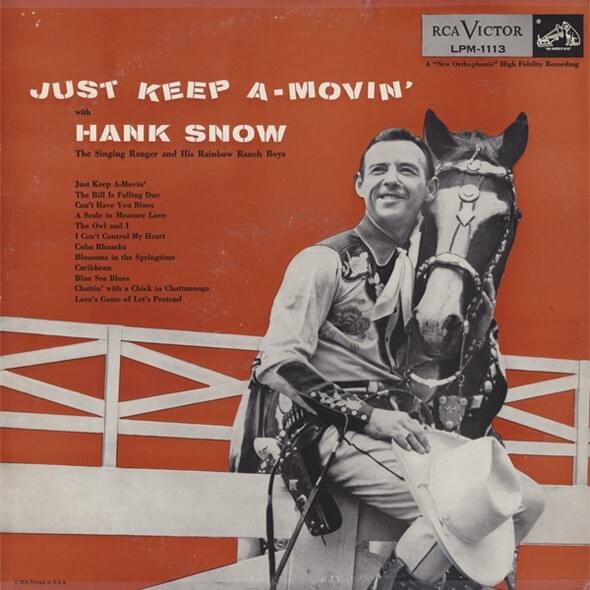
Hank Snow's "A Scale to Measure Love" taps into the universal anxieties of commitment, rendered with a distinctly country twinge of suspicion and longing. The central metaphor—a hypothetical scale capable of quantifying affection—becomes a vehicle for exploring the narrator's insecurity. It's not simply about *having* love, but about the agonizing uncertainty of whether that love is reciprocated with equal measure. The opening lines set the stage, immediately establishing the core desire: to objectify an inherently subjective emotion, to turn the ephemeral into something concrete and measurable like time itself. This desire, however, is laced with a premonition of imbalance, a fear that his own love might outweigh that of his partner. The lyrics hint at a growing distance, a sense of emotional unavailability that fuels his doubts.
The narrator's anxieties are palpable, bordering on paranoia. The lines referencing his partner's distracted thoughts and the chilling possibility of another lover lurking in her mind highlight the vulnerability at the heart of the song. The fiddle and guitar instrumental break serves as a brief, melancholic interlude, mirroring the emotional turmoil churning beneath the surface. It's a sonic representation of the unsaid, the anxieties that words can barely capture. The beauty of the song lies in its paradox: the narrator simultaneously craves a definitive answer and fears the potential consequences of knowing the truth. The fantasy of a love scale underscores the inherent impossibility of truly knowing another person's heart.
Ultimately, "A Scale to Measure Love" isn't just a lament about romantic uncertainty; it's a commentary on the human need for validation and control within intimate relationships. The song recognizes the futility of quantifying emotions, yet acknowledges the deep-seated human desire to do so. The final verse circles back to the initial premise, twisting the knife a little deeper. The memory of past thrills is now tainted by doubt, a stark reminder of the fragility of love and the ever-present possibility of emotional imbalance. The bittersweet conclusion acknowledges the impossibility of truly measuring love, leaving the listener to ponder the delicate balance—or imbalance—within their own relationships.
 View Artist