Song Meaning
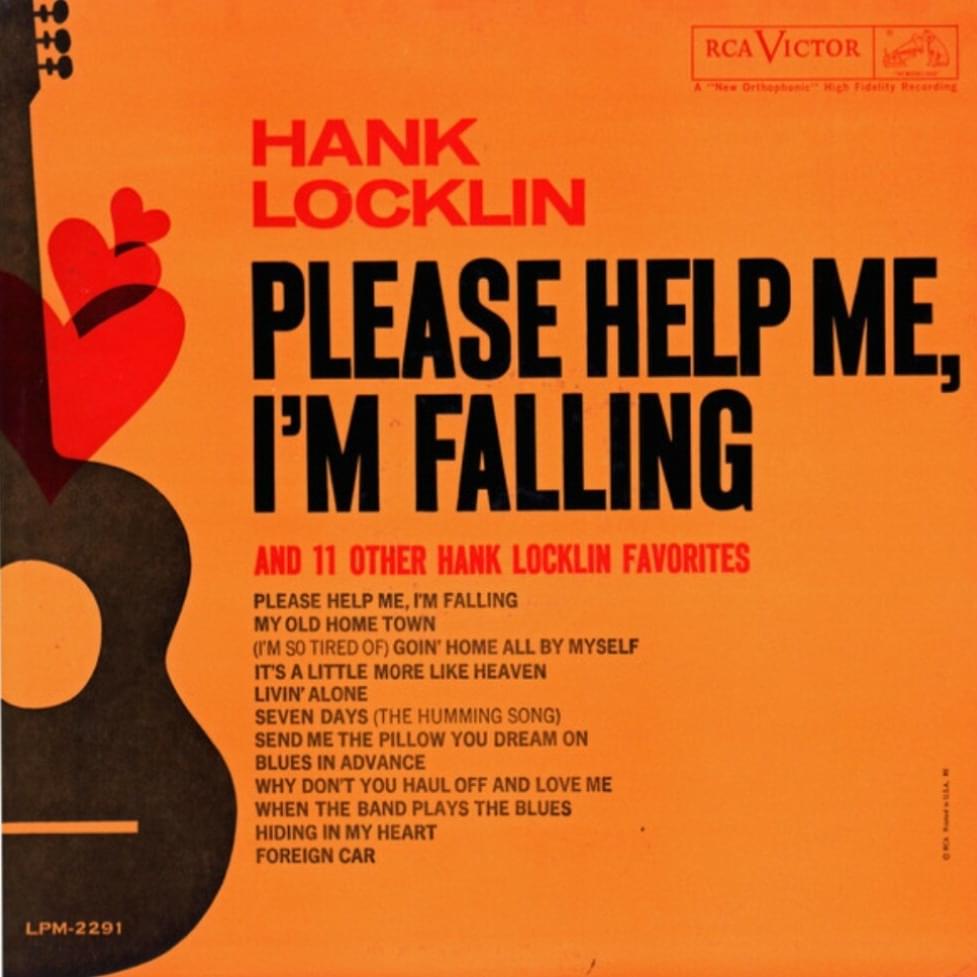
Hank Locklin's "When The Band Plays The Blues" isn't just a song; it's a masterclass in passive emotional torture, country-style. The protagonist, seemingly resigned to his fate, grants his departing lover permission—even encouragement—to enjoy her evening with another man. But this generosity comes with a barbed hook: the insistent, almost manipulative, request to remember him "when the band plays the blues." It's a carefully constructed scenario designed to inject a potent dose of guilt and melancholy into her newfound happiness. He's not forbidding her enjoyment, he's merely seeding it with sorrow.
The song's power lies in its subtle psychological warfare. The lyrics themselves are simple, almost conversational, but the underlying message is complex. He's banking on the evocative power of music, specifically the blues, to stir up memories and feelings that might otherwise remain dormant. The plea to "listen to the words and to the melody" underscores this reliance on the blues as a carrier wave for his lingering pain and, perhaps, a veiled hope for her return. It's a calculated gamble that her conscience, triggered by the mournful sounds, will disrupt her evening.
Ultimately, "When The Band Plays The Blues" exposes the quiet desperation and wounded pride of a man grappling with rejection. It's a portrait of someone unable to directly confront his feelings, instead choosing to wage a battle for her affections through the indirect medium of music. The blues, in this context, become not just a genre, but a weapon—a sonic reminder of what she's left behind, and a haunting question mark hanging over her future happiness.
 View Artist