Song Meaning
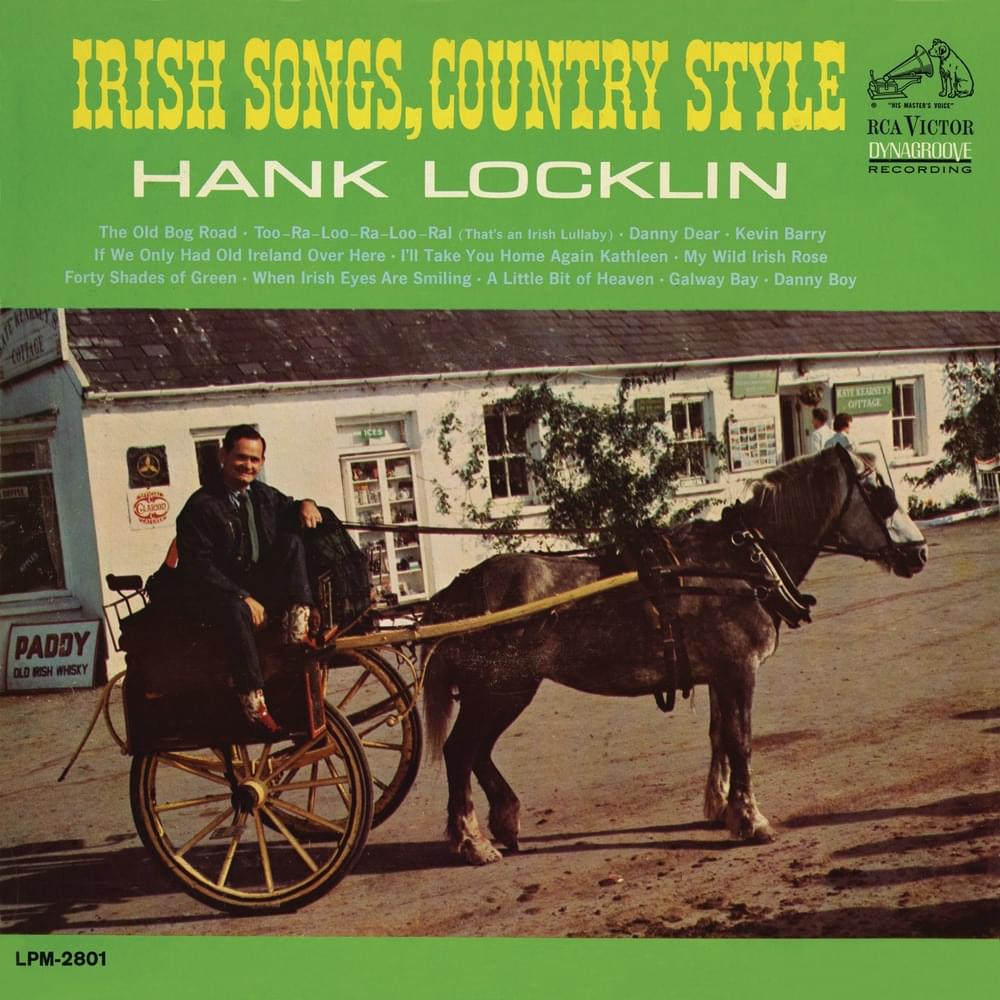
Hank Locklin's rendition of "Too-Ra-Loo-Ra-Loo-Ral (That's an Irish Lullaby)" operates as a poignant exploration of memory, loss, and the enduring power of maternal love. More than a simple lullaby, the song functions as a sonic portal, transporting the listener—and, presumably, Locklin himself—back to the idyllic Killarney of his youth. The lyrics explicitly frame the song as a cherished relic from the singer's childhood, a "simple little ditty" imbued with profound emotional resonance. The repetition of the "Too-ra-loo-ra" refrain serves not merely as a comforting melody, but as a sonic trigger, unlocking deep-seated feelings of security and belonging. It's a primal connection to a mother's love, a bond that transcends time and distance. The longing expressed in the verses stems from an unfillable void, a desire to recapture the unconditional love and safety experienced in infancy.
The song's true weight lies in its understanding of how early childhood experiences shape our emotional landscape. The lyrics paint a vivid picture of maternal comfort—arms hugging, voice humming, rocking to sleep—details that evoke a sense of profound peace and security. The recurring dream of returning to the "cot again" underscores the yearning for a return to a state of innocent bliss, free from the complexities and anxieties of adult life. This echoes a primal need for the maternal embrace, a psychological anchor that tethers us to our earliest sense of self.
Ultimately, "Too-Ra-Loo-Ra-Loo-Ral" is a meditation on the bittersweet nature of memory. While the recollection of maternal love offers solace, it simultaneously highlights the irretrievable loss of that initial state of grace. The song's beauty lies in its ability to tap into this universal human experience, reminding us of the enduring power of love and the persistent ache of longing for a simpler, more innocent past. Locklin's delivery, presumably imbued with a lifetime of reflection, adds another layer of gravitas to this already emotionally resonant piece. The song meaning transcends mere sentimentality, venturing into the deeper recesses of human attachment and the psychological impact of early childhood bonds.
 View Artist