Song Meaning
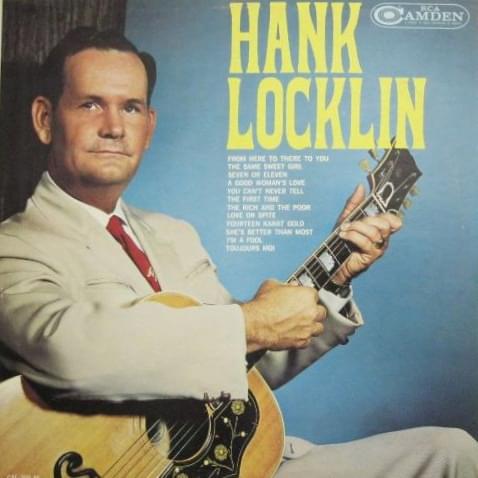
Hank Locklin's "The Rich And The Poor" isn't just a country lament; it's a stark psychological portrait of emotional destitution contrasted against radiant inner wealth. The song cuts deep into the core of human longing, bypassing material concerns to expose the profound disparity between those who possess inner joy and those who are spiritually bankrupt. Locklin's narrator isn't envying mansions or Cadillacs; he's craving a piece of something far more valuable: authentic happiness and love. The opening lines establish a crushing sense of isolation amidst a crowd, a feeling all too familiar in our hyper-connected yet often emotionally barren world. It is this intense loneliness that sets the stage for the singer's encounter with someone seemingly blessed with an inexhaustible wellspring of joy. The recognition is instant, almost painful: 'I knew that I was bankrupt and you were wealthy as a king.'
Locklin shrewdly avoids the typical tropes of class envy. Gold can't buy the 'wealth you have to offer,' he insists, acknowledging the superficiality of material riches compared to genuine human connection. The love that money can buy is 'kinda bit and oh so cold,' a damning indictment of transactional relationships. This isn't about financial disparity; it's about emotional poverty. The narrator casts himself as 'just a beggar pleading for a smile,' a raw and vulnerable admission of need. He understands that true wealth lies not in possessions but in the capacity for love, joy, and connection—qualities that seem effortlessly abundant in the object of his admiration. The lyrics cleverly invert traditional notions of wealth, suggesting that those who freely give love and happiness actually increase their own abundance.
Ultimately, "The Rich And The Poor" functions as a poignant appeal for empathy and human connection. The narrator's plea—'Lend your love to one who needs it and your share will not grow less'—resonates as a timeless truth. It speaks to the fundamental human desire to be seen, valued, and loved, reminding us that true wealth lies not in what we accumulate but in what we share. The song’s enduring power resides in its ability to tap into our deepest insecurities and yearnings, holding up a mirror to our own emotional economies and prompting us to consider what truly constitutes a rich life.
 View Artist