Song Meaning
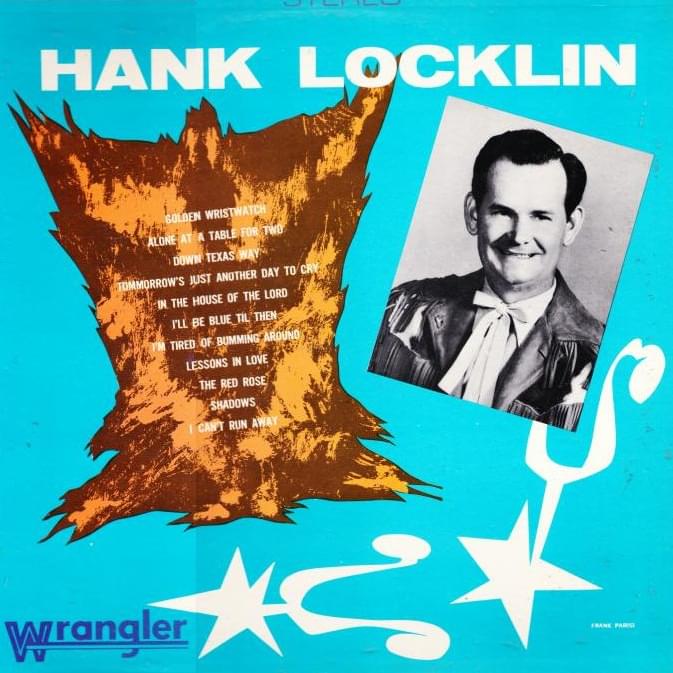
Hank Locklin's "Shadows" isn't just a country lament; it's a masterclass in portraying the suffocating grip of grief. The song meaning hinges on the stark contrast between a sunlit past and a shadow-drenched present, a before-and-after portrait painted with simple, yet devastating strokes. The recurring motif of shadows isn't merely a metaphor for sadness; it's the embodiment of a world irrevocably altered by loss. Locklin's protagonist is trapped, unable to escape the pervasive darkness that has enveloped his existence since his lover's departure. The repetition of the line "Shadows, just can't get out of these shadows" underscores the feeling of inescapable despair, a cyclical torment with no apparent exit.
The lyrics analysis reveals a raw vulnerability. He once "walk[ed] alone in the sunlight," a self-sufficient figure basking in contentment. This idyllic past is juxtaposed with the bewildering present: "I'll never know the reason why." This ignorance amplifies the pain; it's not just the loss, but the lack of closure that haunts him. The sunshine, a symbol of joy and optimism, has "passed [him] by," leaving him stranded in perpetual twilight. This isn't a fleeting moment of sadness; it's a fundamental shift in his reality.
Locklin's shift from a "glad song" to a "blues song with tears in [his] eyes" encapsulates the transformative power of heartbreak. He's not just singing about sadness; he's embodying it. The rhetorical question, "I still wonder why / Our love could never be," adds another layer of complexity. It's a yearning for understanding, a desperate plea for answers in a world that has suddenly become incomprehensible. "Shadows" is a poignant exploration of grief's power to eclipse even the brightest memories, leaving only the lingering darkness of what once was.
 View Artist