Song Meaning
Hank Locklin's "Rosalita" is a serenade dipped in the golden hues of nostalgia, a longing glance backward from a man separated from his love. The simplicity of the lyrics belies a deeper emotional landscape, one painted with the archetypal imagery of the 'rancho,' the 'Rio,' and the moon. These aren't just geographical markers; they're cornerstones of a romanticized past, a shared history etched in the very soil where their love blossomed. The repeated assurances – "I'll come back to you" – aren't just promises; they're a fragile shield against the encroaching anxieties of distance and time. The singer attempts to ward off the pain of separation, for both himself and Rosalita.
The song's beauty lies in its understanding of the human need for reassurance in the face of uncertainty. He addresses Juanita, telling her not to be blue, suggesting she is sad that Rosalita is gone. The moon, a timeless symbol of romance and constancy, becomes a confidante, a silent witness to the singer's unwavering devotion. He unburdens himself to the celestial orb, recounting their love story and reaffirming his longing. It’s a ritualistic act, a nightly affirmation designed to keep the flame alive, both in his heart and, hopefully, in hers.
"Rosalita" avoids maudlin sentimentality by anchoring itself in the concrete imagery of place and time. It doesn't dwell on the specifics of their separation, choosing instead to focus on the enduring power of memory and the unwavering hope for reunion. The instrumental break, punctuated by the whispered repetition of "Rosalita," serves as a poignant reminder of her absence, a void filled only by the echo of her name. The song’s repetitive structure reinforces this sense of longing, mirroring the cyclical nature of the singer's thoughts as he navigates the emotional terrain of separation and desire.
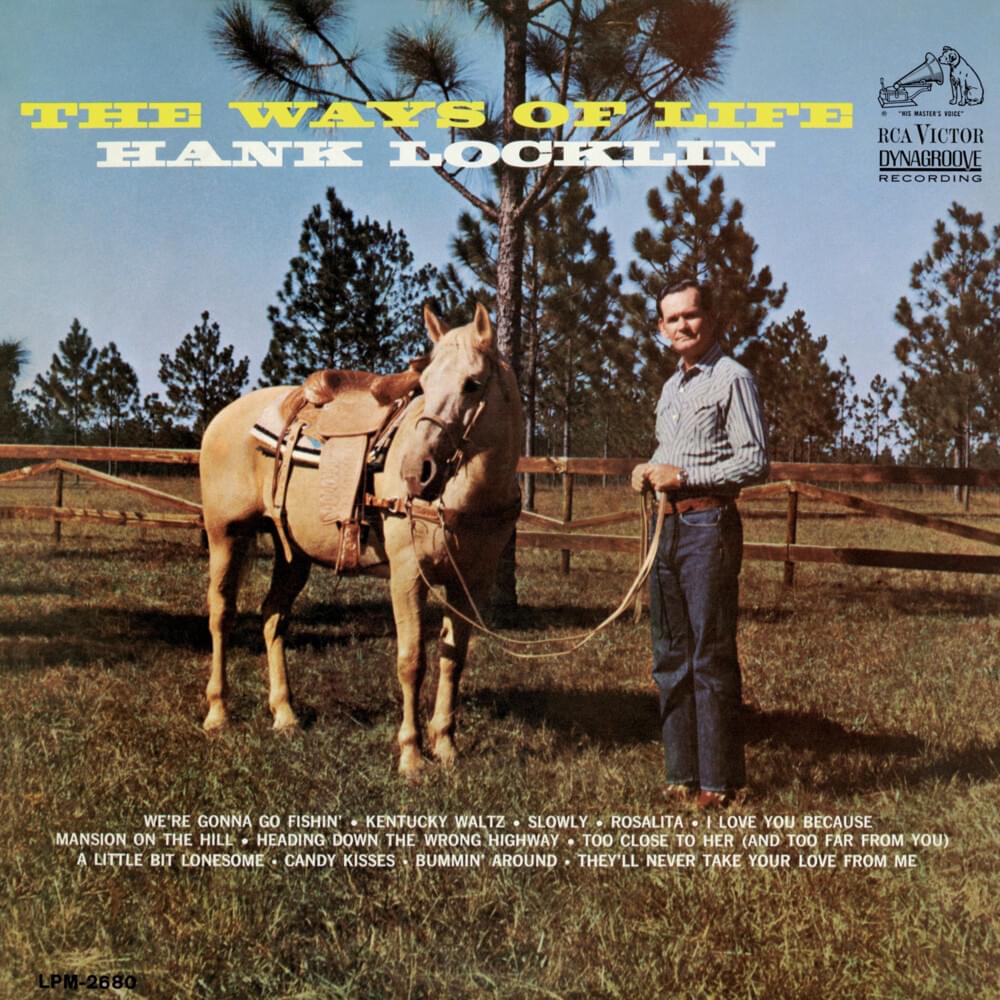
 View Artist