Song Meaning
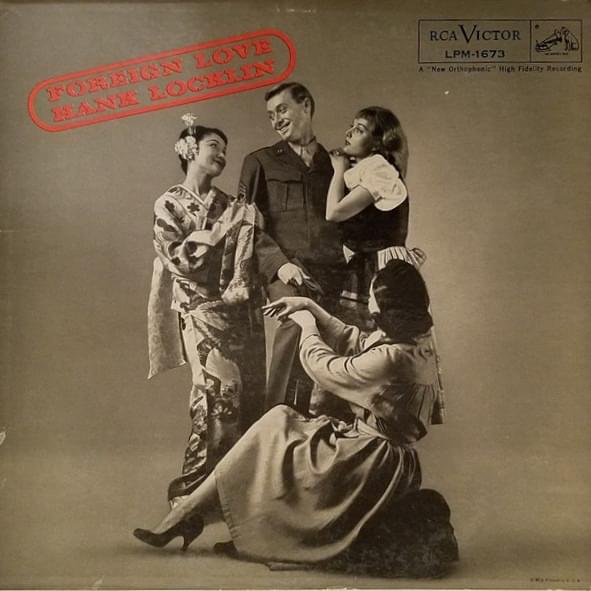
Hank Locklin's "Mademoiselle" isn't just a nostalgic ballad; it's a miniature psychological study of memory, loss, and the idealized past. The song meaning hinges on the speaker's insistent plea: "think back, remember me." This isn't a simple request; it's a desperate attempt to resurrect a shared reality, a love affair set against the backdrop of wartime Paris. The repetition of "Mademoiselle" emphasizes the distance, both geographical and emotional, that now separates the lovers. It's a name whispered across time, freighted with longing. The "gay Paris" of his memories isn't just a place; it's a symbol of carefree joy, a stark contrast to the soldier's present reality.
The lyrics sketch a fleeting romance, a brief respite from the horrors of war. The carving of hearts and names by the Seine represents a desire for permanence, a fragile attempt to etch their love into the fabric of the world. The line "I loved you then and you loved me" carries a heavy weight of uncertainty. Is it a statement of fact, or a hopeful projection onto a past that may have been less idyllic than he remembers? The phrase "my used to be" is particularly poignant, acknowledging the irreversible passage of time and the transformation of their relationship into a memory.
Ultimately, "Mademoiselle" is a testament to the power of memory to both comfort and torment. Locklin captures the bittersweet ache of looking back, of clinging to a past love as a beacon of hope in a world darkened by war. The song's simplicity is its strength; it lays bare the raw emotions of a soldier yearning for connection, for a reminder of humanity in the face of unimaginable brutality. It's a universal story of love and loss, framed by the unique circumstances of wartime romance, making it a timeless exploration of the human heart.
 View Artist