Song Meaning
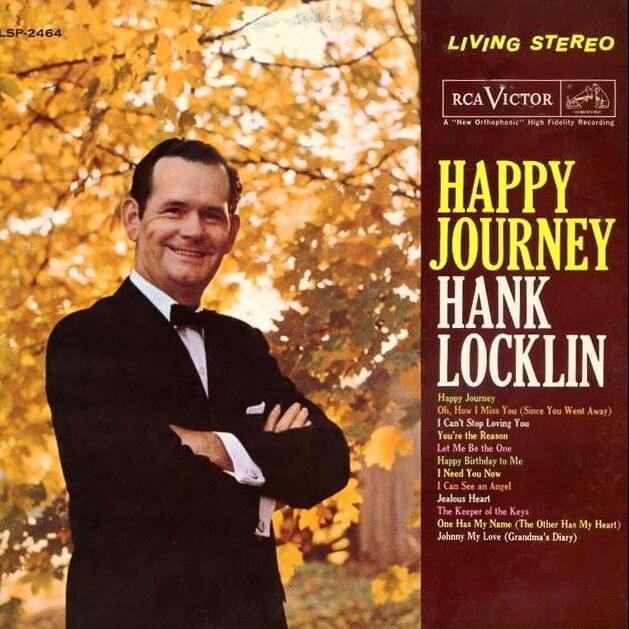
Hank Locklin's "Jealous Heart" isn't just a country lament; it's a stark psychological portrait of self-sabotage. The "jealous heart" isn't merely a feeling, but an actively destructive force, personified and held accountable for the singer's romantic ruin. Locklin lays bare the internal conflict between love and insecurity, where the latter triumphs, driving away the beloved and leaving behind a wasteland of regret. The cyclical nature of jealousy is subtly emphasized: the very emotion that destroyed the relationship now ensures the singer's perpetual loneliness. It’s a vicious, self-inflicted wound. The simplicity of the language belies the complexity of the emotion being dissected. Locklin masterfully uses direct address, speaking directly to the "jealous heart," creating a visceral sense of internal struggle. It's not just a song about lost love, but a brutal examination of the self as its own worst enemy.
The lyrics paint a picture of a relationship that began with promise, with the singer initially "part of everything he planned for." This highlights the devastating contrast between initial joy and current despair. The phrase "now he hates the sight of all I stand for" is particularly poignant, suggesting that the singer's jealousy has fundamentally altered their identity in the eyes of their former lover. It's a complete reversal, a betrayal of the initial connection. The geographical distance mentioned ("Even though we're many miles apart") underscores the finality of the separation. It’s not just a temporary rift, but a permanent exile caused by the unchecked emotion. The song’s hook resides not in catchy melody but in the raw honesty of the lyrics. Locklin’s delivery amplifies the feeling, making the listener feel the full weight of the singer's self-reproach.
Ultimately, the song meaning of "Jealous Heart" resides in its unflinching portrayal of the destructive power of unchecked emotions. It's a cautionary tale about the corrosive effects of insecurity, a reminder that jealousy, if left unbridled, can poison even the most promising of relationships. Locklin’s genius lies in his ability to transform a common sentiment into a deeply personal and psychologically resonant experience. The song's enduring appeal stems from its universal theme: the battle against one's own demons, and the devastating consequences of losing that fight.
 View Artist