Song Meaning
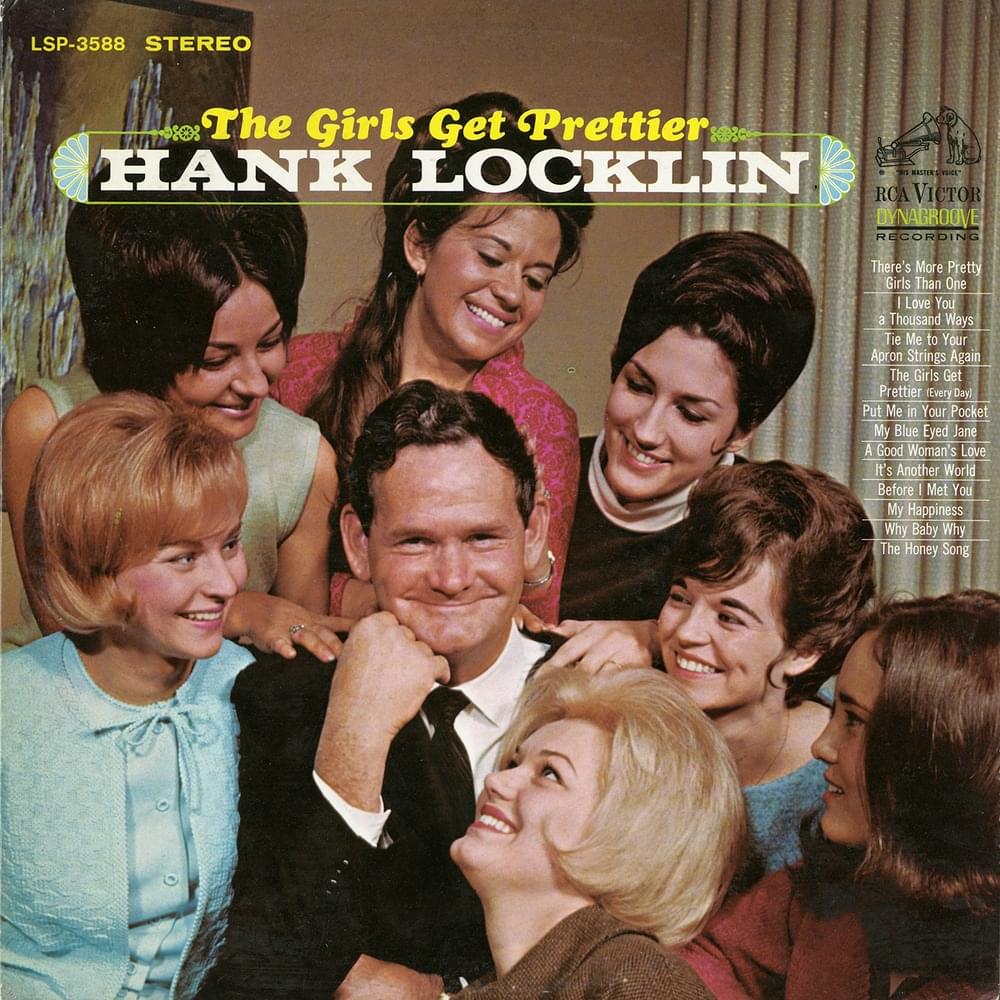
Hank Locklin's "I Love You a Thousand Ways" isn't just a declaration; it's a plea born from regret. The song's simple structure belies a complex emotional undercurrent, typical of classic country music. Locklin isn't singing from a place of strength, but rather from one of vulnerability, attempting to repair damage already done. The opening lines, "I love you, I'll prove it in days to come," immediately establish this sense of deferred action, a promise hanging in the air rather than a deed already completed. The repeated assurances suggest a desperate need to convince not only the object of his affection but also himself. The listener immediately understands that the narrator has made mistakes. The repeated line "I'll prove it to you some day" suggests time apart, and the request to "please wait until I'm free" hints at the presence of outside constraints.
The lyrics, though straightforward, reveal a past checkered with infidelity or neglect. The lines, "You're my darling, you've been true / I should have been good to you," are a stark acknowledgment of wrongdoing. This confession isn't merely a formality; it's the crux of the song's emotional weight. The narrator recognizes his failure and understands that his current predicament is a direct result of his past actions. He is trying to get out of a hole that he dug himself into.
Ultimately, "I Love You a Thousand Ways" is a song about redemption and the arduous journey toward earning forgiveness. The promise of proving his love "a thousand ways" speaks to a deep-seated desire to atone for past mistakes. The phrase sounds beautiful, but when unpacked represents hard work and a long term commitment. The simple melody and heartfelt delivery amplify the raw emotion, making it a timeless expression of remorse and a fervent hope for a second chance. The "change, a great change made in me" hints at a profound personal transformation, suggesting that this isn't just a superficial apology but a genuine commitment to becoming a better partner.
 View Artist