Song Meaning
Hank Locklin's "Flyin' South" isn't just a country tune; it's a primal yearning for belonging, a sonic homing beacon activated by the cold, alienating winds of the North. The song meaning crystallizes around the central metaphor of the 'old wild goose,' a creature driven by instinct, unburdened by reason, and compelled to follow an ancient migratory path. Locklin taps into that same deep-seated, almost involuntary drive, triggered by the shift from winter to summer. It’s less about consciously *choosing* to return south and more about being *unable* to resist the pull. The opening lines, 'Winter's gone and summertime's a coming and where I am ain't where I wanna be,' establish a profound sense of displacement, a geographic and emotional misalignment.
The lyrics paint the South not merely as a location, but as a sprawling, interconnected network of familial ties and personal history. Kentucky, Alabama, Mississippi, the Carolinas, Georgia, Tennessee – each state is a node in the singer's heart, a reminder of the bonds that tether him to his origins. It's a powerful invocation of 'home' that transcends mere nostalgia; it's an acknowledgement of the self being fundamentally incomplete and psychologically fractured while separated from its roots. The repeated emphasis on family – 'kids and kin,' 'aunts,' 'Mom,' 'sist's,' 'Grandma and grandpa' – amplifies this sense of interconnectedness, portraying the South as a collective identity rather than just a place on a map.
Ultimately, "Flyin' South" speaks to the universal human need for connection and belonging. The 'lonesome and alone' feeling Locklin describes is not just homesickness; it’s a deeper existential ache. The desire to return is not simply about escaping the present, but about reclaiming a lost part of oneself, a re-integration with the landscape and people that shaped him. The final lines, referencing 'Nashville Tennessee' and 'the Nashville Brass,' ground the yearning in a specific artistic context, suggesting that even professional success and musical identity are inextricably linked to the singer's Southern roots. The song becomes a testament to the enduring power of place and the inescapable influence of heritage.
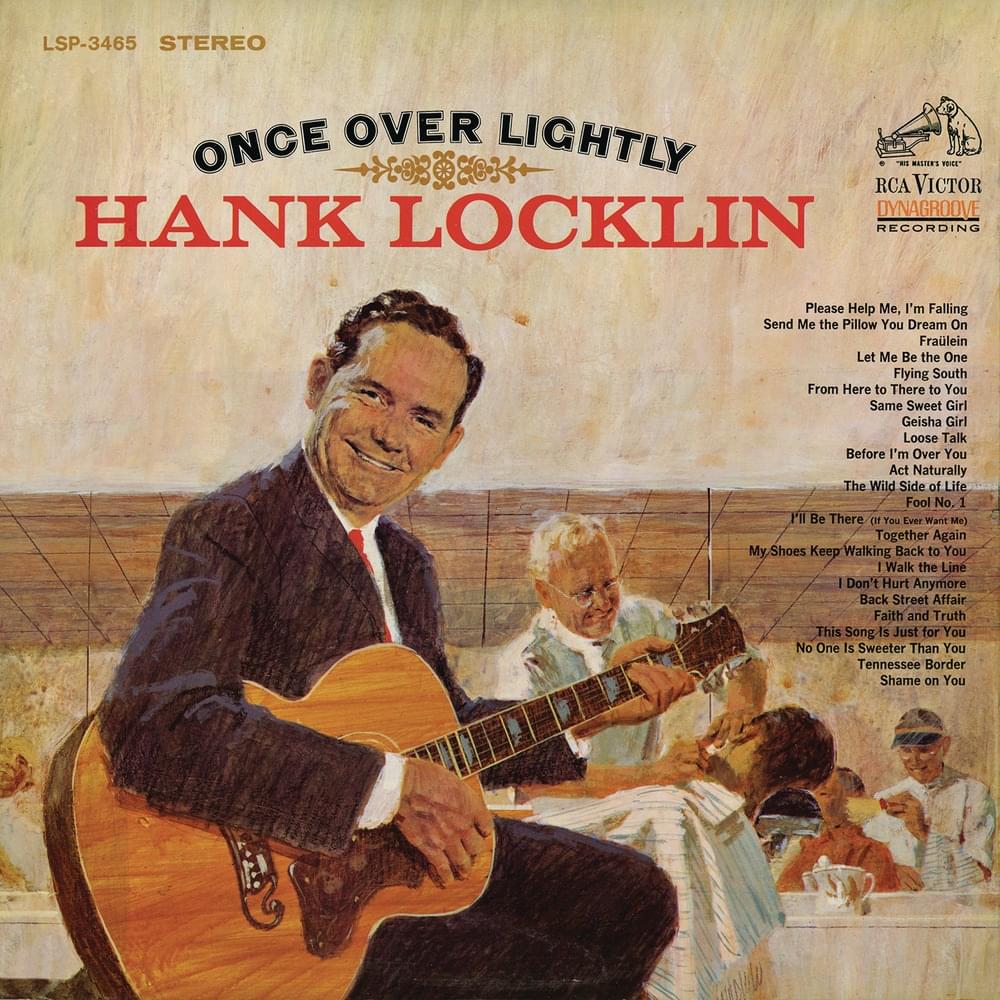
 View Artist