Song Meaning
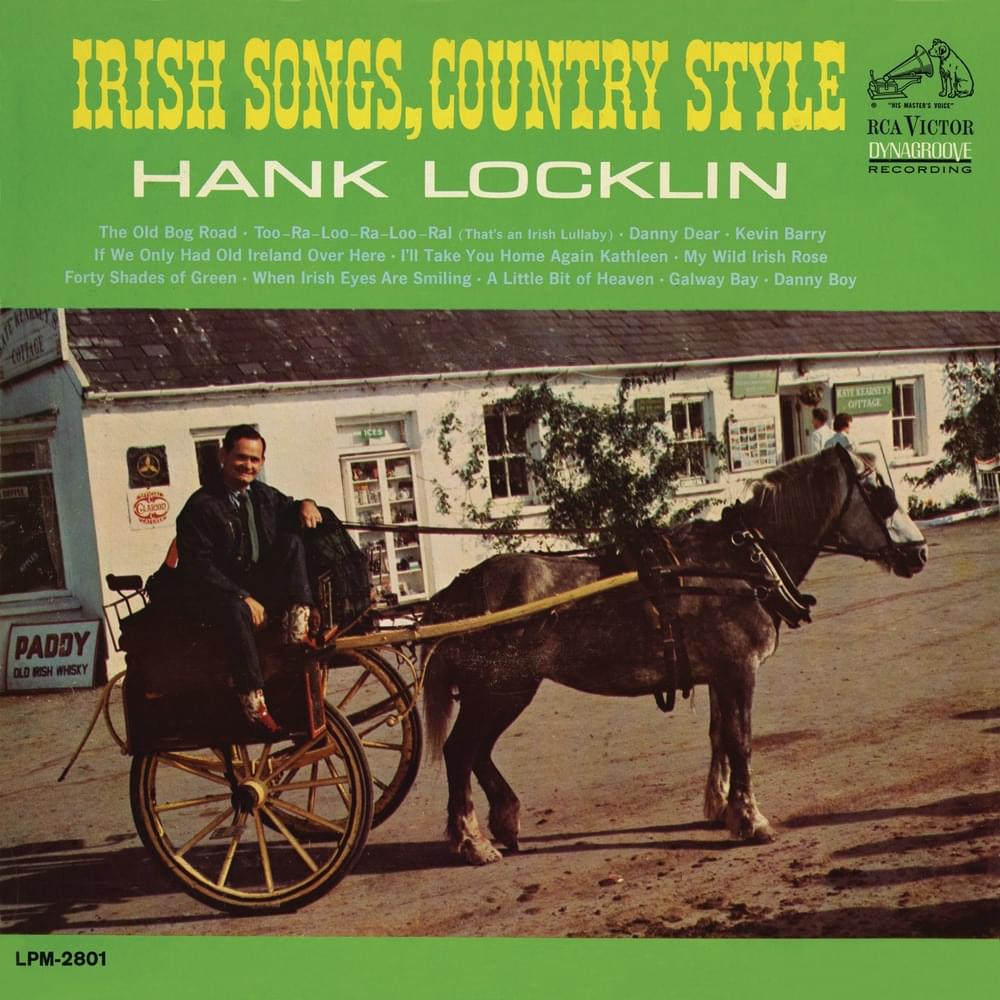
"Danny Boy," sung by Hank Locklin, isn't just a sentimental Irish ballad; it's a masterclass in repressed emotion and deferred longing. The song's power resides not in overt declarations, but in the aching space between the lines. The pipes calling "from glen to glen" evoke a sense of vastness and inescapable fate. It's a summons, not an invitation, and Danny Boy has no choice but to answer. The "summer's gone, and all the roses falling" serves as a metaphor for fading youth and lost innocence, heightening the pain of impending separation. The narrator's acceptance of their role – "it's you, it's you must go, and I must bide" – speaks volumes about societal expectations and unspoken sacrifices. Locklin's rendition amplifies this sense of resignation, turning what could be a lament into a quiet, dignified farewell. The song meaning pivots on this bittersweet farewell. The lyrics analysis reveals that it is a song about loss. In essence, it's a message of love.
"Come ye back when summer's in the meadow, or when the valleys hushed and white with snow" is the heart of the song's enduring appeal. It's a promise of unwavering devotion, a beacon of hope in the face of inevitable absence. The conditional nature of the return – "when summer's in the meadow" or "when the valleys hushed and white with snow" – suggests a deep understanding of life's unpredictable nature. The narrator isn't demanding a specific timeframe, but rather expressing a willingness to wait indefinitely, through all seasons and trials. This unconditional love transcends the physical realm, hinting at a spiritual connection that endures beyond time and distance. The cyclical imagery of the seasons reinforces the idea of life's constant ebb and flow, implying that even in the darkest winter, the promise of renewal remains.
Ultimately, "Danny Boy" is a poignant exploration of love, loss, and the enduring power of hope. Locklin's delivery, combined with the song's timeless melody and evocative lyrics, creates a deeply moving experience. It's a reminder that even in the face of separation and uncertainty, the human spirit can find solace in the promise of reunion, a promise whispered on the wind and carried in the mournful call of the pipes. The song's resonance lies in its ability to tap into our universal longing for connection and belonging, making it a timeless classic that continues to resonate with listeners across generations.
 View Artist