Song Meaning
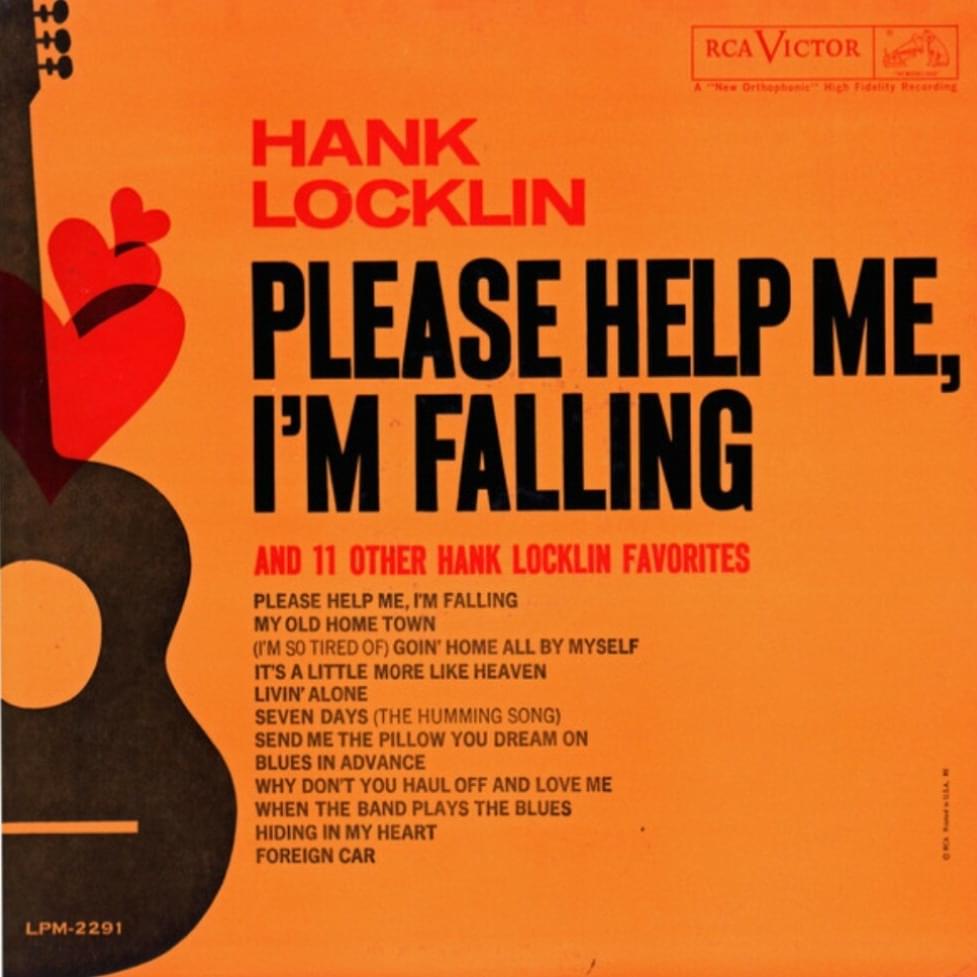
Hank Locklin's "Blues In Advance" isn't just a country lament; it's a masterclass in preemptive heartbreak. The song meaning hinges on the agonizing anticipation of loss, a feeling far more psychologically complex than simple sadness. Locklin's narrator isn't reacting to a breakup; he's actively bracing for it, finding himself steeped in sorrow *before* the inevitable departure. This isn't about a singular event, but a pattern of doomed romance, where the goodbye is a foregone conclusion. The lyrics paint a picture of a man trapped in a cycle of emotional pre-grieving. He's dancing with his lover, but the joy is poisoned by the knowledge of her impending absence. The blues aren't a reaction; they're a constant companion, a shadow self that walks beside him.
Locklin uses the phrase "blues in advance" not just as a title, but as a psychological diagnosis. It speaks to a deep-seated insecurity, perhaps stemming from past relationship trauma. The line, "There's no hope for me now you will change dear somehow," isn't just passive acceptance; it suggests a learned helplessness. He's convinced of his own romantic inadequacy, projecting his fears onto the present. The waltz tempo and smooth delivery almost belie the profound despair at the song's core. It's the sonic equivalent of a forced smile, masking a well of pain. The narrator's preemptive blues become a self-fulfilling prophecy, as his own negativity likely contributes to the relationship's demise.
Ultimately, "Blues In Advance" is a study in self-sabotage, expertly disguised as a heartbroken ballad. The song's genius lies in its unflinching portrayal of anticipatory grief, that uniquely modern condition where we mourn the future before it even arrives. Hank Locklin doesn't just sing about sadness; he dissects the architecture of despair, revealing the ways in which we sometimes build our own prisons of pain. The lyrics analysis reveals a man who is not simply unlucky in love, but actively creating the conditions for his own unhappiness.
 View Artist