Song Meaning
The lyrics paint a picture of perpetual lateness, a feeling of always missing the mark whether in life's journeys or facing mortality. The narrator observes that even when trying to be early, the roads themselves felt ungrateful, and by the time they reached death, it always felt too soon. This sense of temporal displacement is starkly illustrated by the observation that even the longest life felt fleeting, passing in just three days. The emotional core crystallies when the narrator notices wet eyes, realizing that the pain of this constant miss is shared or reflected.
The dominant tension arises from the paradox of always being too late, even when attempting to be early. This isn't just about missed appointments; it's a profound existential lament. The lines "Hep geç kaldık" (We were always late) and "Hep erkendi ne zaman varsak ölüme" (It was always early when we arrived at death) encapsulate this core conflict. The narrator feels trapped in a cycle where effort to preemptively arrive is met with an equally premature end, suggesting a lack of control over their own timeline.
A striking piece of craft is the personification of time and its effects. Initially, it's "Ateş önce kendini yakar" (Fire burns itself first), a powerful image of self-destruction or inevitable consequence. This shifts to "Zaman önce kendini geçer" (Time passes itself first), a more abstract yet equally potent metaphor for time's relentless, self-driven march that leaves the individual behind. The repetition of "Sen ne uzak hayat ne uzak" (How far you are, how far life is) underscores this growing chasm between the narrator and their desired connections or experiences.
What makes these lyrics resonate is their unflinching portrayal of a specific, yet universally felt, kind of regret. It's the ache of opportunities missed, not due to laziness, but due to an almost cosmic timing issue. The plea, "Hadi gül ne kaldı ağlayacak" (Come on, smile, what's left to cry about?), coupled with the declaration "Bititrdik hepsini" (We finished them all), offers a fragile, almost desperate attempt at acceptance or moving forward, even as the preceding verses highlight the profound sense of loss and temporal disconnect.
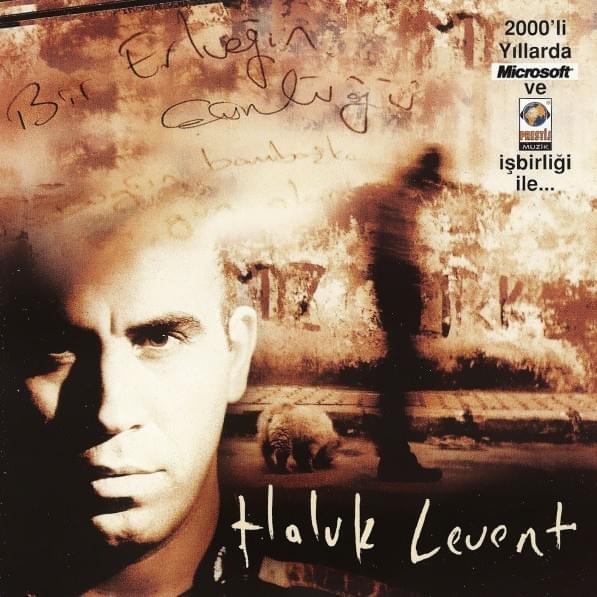
 View Artist