Song Meaning
The lyrics paint a stark picture of someone arriving at a destination after a difficult journey, only to find their path blocked and their wounds unattended. The opening lines, "Tozlu yollarına düştüm de geldim / Haramiler kesmiş suyun başını," immediately establish a sense of hardship and betrayal, suggesting that even basic resources are guarded by hostile forces. This sets a tone of desperation, as the narrator questions who will tend to their injuries, highlighting a profound sense of isolation and vulnerability. The repeated plea, "Bilmem kim saracak yaralarımı," underscores this feeling of being left to fend for themselves in a hostile world.
The central tension arises from the narrator's internal conflict and their relationship with "Ali." The repeated refrain, "Kendime kastım Ali, dağlara küstüm Ali / Dar günde dostum Ali," reveals a complex dynamic. "Kendime kastım" suggests self-harm or a sense of self-destruction, while "dağlara küstüm" implies a turning away from nature or a place of refuge. Yet, Ali is simultaneously identified as a "dostum" (friend) in times of need, creating an intriguing paradox: Ali is both the confidant in distress and perhaps the source or witness to the narrator's internal turmoil. The plea to "Kınama hallarımı, bağlama ellerimi / Açık et yollarımı" suggests a desire for understanding and freedom, even while acknowledging their own difficult circumstances.
The lyrics employ a powerful, almost ritualistic repetition of the chorus, amplifying the narrator's distress and their reliance on Ali. The imagery shifts from the external "tozlu yolları" (dusty roads) and "kan gölü" (lake of blood) to the internal state of self-harm and estrangement from "dağlar" (mountains). This contrast between the external dangers and the internal despair is what gives the song its emotional weight. The narrator is not just fleeing external threats but is also grappling with an inner turmoil that leads them to seek solace or intervention from Ali, their steadfast friend in hardship.
Ultimately, the effectiveness of these lyrics lies in their raw portrayal of despair and their plea for understanding from a trusted figure. The narrator's journey is not just physical but deeply psychological, marked by a sense of being wronged by the world and perhaps by themselves. The repeated invocation of "Ali" grounds the abstract feelings of pain and isolation in a specific relationship, making the plea for help feel immediate and deeply personal. It’s this blend of external struggle and internal anguish, channeled through a direct address to a singular figure, that resonates with a profound sense of human vulnerability.
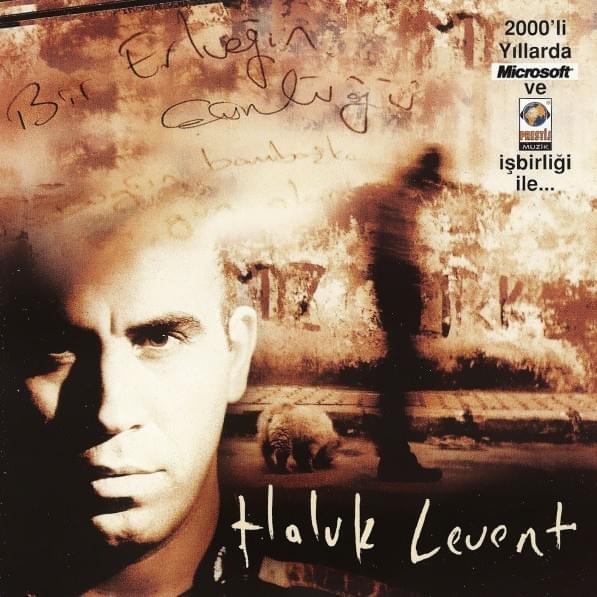
 View Artist