Song Meaning
The narrator is decisively ending a relationship, framing it as an escape from a bad situation. The opening lines, "Later for you baby / I run my train with the Blues," immediately establish a tone of finality and a sense of personal journey, albeit one tinged with melancholy. This isn't a gentle parting; it's a declaration of independence, suggesting the narrator has been carrying emotional burdens, the "Blues," throughout this relationship.
The core tension arises from the narrator's perceived mistreatment and the eventual liberation from it. The repeated phrase "When you was out away from home" in the second verse hints at infidelity or neglect, setting up the narrator's decision to "get married" under these circumstances, perhaps as a desperate measure or a point of no return. The subsequent lines about the partner "never make no bread" and "trading me for bad deals" paint a picture of a relationship built on imbalance and poor choices, pushing the narrator to finally "get out of there."
The most striking aspect of the lyrics is the narrator's assertion of control and ownership in the final verse. The phrase "finally got the whole [?]" and "hold the papers in my hand" strongly suggests a legal or financial separation, like a divorce. This tangible proof of freedom allows the narrator to confidently declare, "I'm going to find me some good woman / And you can keep your other man," a clear rejection of the past and a hopeful look toward a better future.
This song resonates because it captures the raw, unvarnished feeling of finally breaking free from a toxic situation. The simple, direct language and the clear progression from feeling trapped to achieving liberation make the narrator's triumph palpable. The imagery of the "train" and the "papers" grounds the emotional release in concrete actions, making the narrator's decision to move on feel earned and definitive.
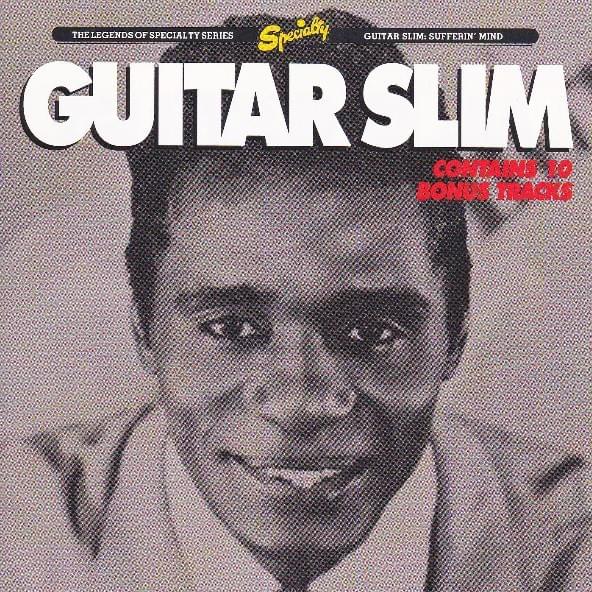
 View Artist