Song Meaning
The lyrics paint a stark picture of abandonment and lingering hope. The narrator is left alone with the responsibilities of care, symbolized by the repeated image of "bread in my kitchen," a basic necessity that underscores their solitary domesticity. The central question revolves around the departure of a partner, leaving behind "our only child" and a profound sense of isolation. The narrator grapples with the partner's choice to leave, questioning the logic of having a child only to pursue a life of freedom. This abandonment creates a palpable loneliness, emphasized by the line "you know it feel so all alone."
The narrator's life has become consumed by childcare, a constant, thankless task. They describe themselves as "a babysitter set at night" and "up all day long," highlighting the relentless nature of their new role. This routine is punctuated by a persistent, unanswered question: "Why don't you come back home?" The repetition of the babysitter role emphasizes the narrator's entrapment and the emotional toll of waiting for a return that may never come. The simple, almost childlike imagery of the child playing contrasts sharply with the adult themes of broken promises and loneliness.
The effectiveness of these lyrics lies in their directness and the raw emotional vulnerability they expose. The narrator isn't employing complex metaphors; instead, they present a straightforward narrative of being left behind. The repeated phrases, like "bread in my kitchen" and the description of being a babysitter, hammer home the narrator's current reality. This unadorned delivery makes the underlying pain of abandonment and the desperate hope for reconciliation feel incredibly potent and immediate.
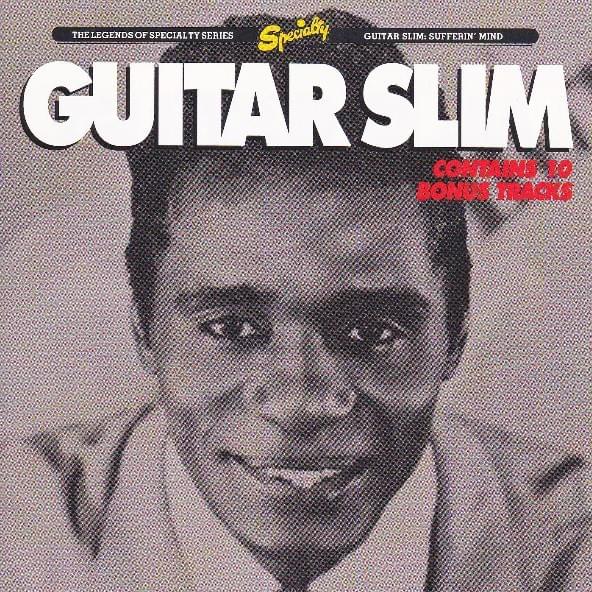
 View Artist