Song Meaning
The lyrics paint a picture of internal conflict, where excesses try to fill a void without success. The narrator observes how desires can transform a powerful figure into a subservient one, trapping them behind self-imposed limitations. This sets up a core paradox: the very forces that threaten to destroy us might also be the ones that offer salvation.
The central tension lies in the duality of human nature, specifically how perceived weaknesses can actually be strengths. The lines "São as forças / Que nos podem matar / São fraquezas / Que nos podem salvar" directly confront this idea. It suggests that embracing our flaws and mistakes is not just inevitable but necessary for individuality, blurring the lines between defects and virtues.
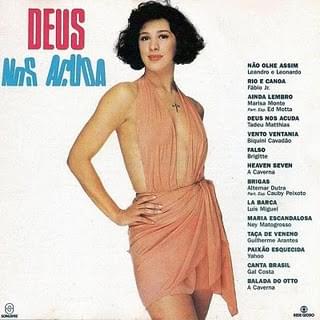
The most striking element is the repeated, cyclical imagery of the "taça de veneno" (cup of poison) and "desejo" (desire). The lyrics state, "Todos precisam de um veneno / Pra encher a sua taça de desejo / Todos precisam de um desejo / Pra encher a sua taça de veneno." This creates a potent metaphor for how our cravings and the things we consume to satisfy them can be both intoxicating and destructive, a self-perpetuating cycle of need and consequence.
Ultimately, the effectiveness of these lyrics stems from their unflinching look at the human condition. The final stanza, with its stark pronouncements about fear, doubt, and cowardice ("Com medo não se vive / Com receio não se vai"), urges a confrontation with these limitations. It’s a call to embrace the risk, the fall, and the potential for growth, even if it means partaking in that dangerous, desire-filled cup.
 View Artist