Song Meaning
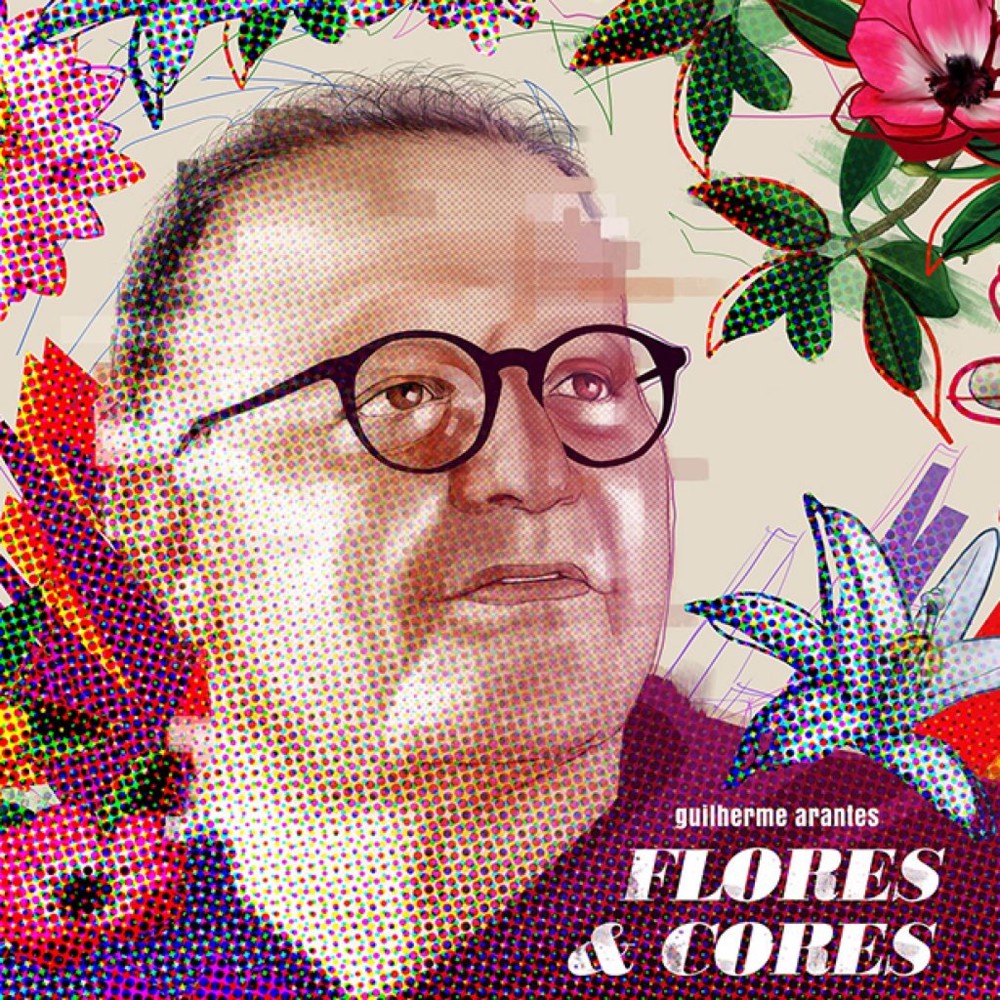
Before love, there's the gray space: a landscape of self-doubt where even the possibility of connection seems drained of its vibrancy. Guilherme Arantes' "Flores e Cores" isn't just a love song; it's a stark before-and-after portrait, a chronicle of emotional reawakening. The lyrics paint a picture of the artist mired in insecurity, unable to recognize his own worth, much less imagine finding someone else. The repeated lines, "Flores que eu não mais trazia no olhar... Cores que eu não mais sabia enxergar..." function as a poignant refrain, underscoring the depth of his emotional impoverishment.
But then love arrives, not as a grand, theatrical gesture, but as something "espontâneo," lived "um dia por vez." Arantes contrasts this genuine love with the ego-driven, performative relationships that often masquerade as the real thing. This love, in its unassuming authenticity, holds transformative power. It is a love that gently coaxes the dormant flowers back into bloom, restoring color to a world previously seen in shades of gray. The "song meaning" hinges on this contrast between the falseness of ego and the transformative power of true affection.
Ultimately, "Flores e Cores" transcends a simple narrative of finding love. It's a meditation on vulnerability, self-acceptance, and the courage to embrace authentic connection. The closing lines, filled with "ternura" as he watches his lover sleep, reveal a profound sense of security and belonging. The fear of loss, so prevalent in insecure relationships, is absent here. In its place is a quiet confidence, a knowing that this connection is built on something far stronger than fleeting infatuation: a shared understanding that allows them to face the world without fear.
 View Artist