Song Meaning
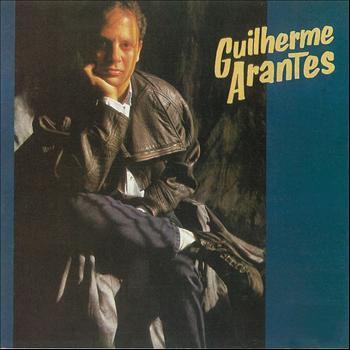
Guilherme Arantes's "Guarde o Coração" isn't just a song; it's a stark warning wrapped in melody. It's a plea for the preservation of innocence and integrity in a world that seems determined to erode both. The track confronts listeners with a sobering reality: that surrendering our 'purest side' leaves us with nothing of value and vulnerable to exploitation. Arantes doesn't shy away from implicating cynicism as a primary culprit, suggesting it fuels a passive acceptance of degradation that strips us of identity ('sem pátria') and purpose ('sem razão'). The song's title, which translates to 'Guard Your Heart,' acts as both a command and a desperate wish. It implies that even if collective salvation seems impossible, individual preservation remains a vital act of resistance. This makes the song's meaning deeply personal, urging introspection above all else. Arantes seems to understand that political resistance begins within.
There's a palpable sense of urgency underscoring the lyrics analysis. The singer isn't merely lamenting a loss; he's actively imploring listeners to shield their hearts, as if from an encroaching darkness. The lines about crossing arms and clenching fists, 'esperando o pior' (waiting for the worst), highlight the dangers of passive resignation. Arantes seems to argue that such defensive posturing only weakens us further, rendering us more susceptible to cowardice. This is a direct challenge to apathy, suggesting that true strength lies not in stoic endurance, but in active protection of one's core values. The song's meaning, therefore, extends beyond personal integrity, touching on the necessity of courage in the face of societal decay.
Ultimately, "Guarde o Coração" leaves us contemplating the price of lost dignity. Arantes suggests that once forfeited, it is irretrievable by worldly means. 'Nem as lágrimas / Mais amargas vão nos resgatar / A dignidade perdida' (Not even the most bitter tears will rescue our lost dignity) is a heavy admission. This isn't just about personal regret; it speaks to a deeper, societal tragedy. The song serves as a potent reminder that protecting our inner selves is not a selfish act, but a necessary one for maintaining both individual and collective well-being. It implicitly asks: what kind of world are we creating if we allow cynicism and humiliation to become the norm?
 View Artist