Song Meaning
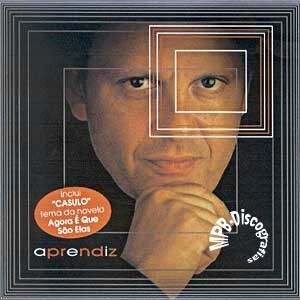
Guilherme Arantes' "Casulo" isn't just a song; it's a manifesto of self-liberation. The opening lines, a declaration of leaving "the cocoon I created," immediately establish a theme of shedding self-imposed limitations. The weariness with suffering ("Cansei / De tudo o que é sofrer") suggests a journey through pain, now reaching a turning point. It's a universal sentiment, yet Arantes frames it with a personal intimacy that resonates deeply. The desire to be "the king / In the country I believed" speaks to a yearning for a world aligned with one's values, rebuilt "with the heart's eye." This isn't naive idealism; it's a conscious choice to reclaim agency. The recurring motif of finding light and warmth ("Sempre haverá um lugar ao sol") against a backdrop of personal struggle elevates the song beyond mere escapism. It's about finding resilience, a quiet refusal to succumb to cynicism.
Arantes delves into the complexities of self-deception and the rediscovery of innocence. The lines "Ao confessar / Que eu brinco que sou triste / Ao aceitar / Que a inocência existe" are particularly poignant. It's a recognition of the performative aspects of sadness, the way we sometimes cling to melancholy as a form of identity. The acceptance of inherent innocence, that "Ela nunca se foi," offers a path toward healing and authenticity. This isn't about denying the past; it's about re-evaluating it through a lens of self-compassion. The imagery of a rainbow guiding the way, summer warming love, and flowers being fertilized blends natural beauty with emotional growth, painting a vivid picture of transformation.
The song culminates in an image of breaking free from self-constructed mental prisons. "Foi na prisão / Fruto da imaginação / Que eu achei / A chave e abri as asas da libertação" suggests that the biggest obstacles are often internal. The "prison" is a product of our own minds, and the key to freedom lies within. The act of giving birth ("Me dar à luz") symbolizes a rebirth, a shedding of the old self to embrace a new beginning. "Casulo," therefore, is not just a song about escaping suffering; it's a celebration of the human capacity for renewal, a testament to the enduring power of hope and self-discovery.
 View Artist