Song Meaning
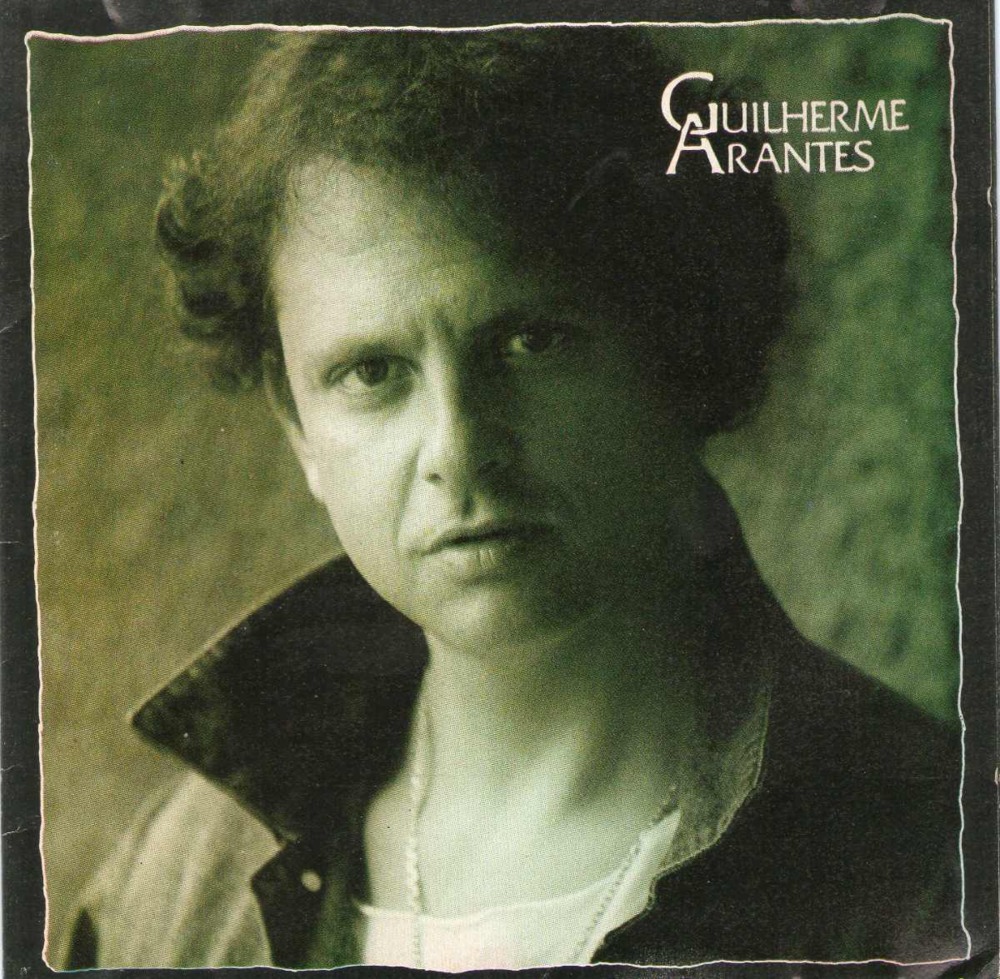
Guilherme Arantes' "Castelos" isn't a stadium anthem of heartbreak, but a quietly devastating acknowledgement of love's inherent ephemerality. The song's power lies in its unflinching honesty, a confession not of malice, but of change. The opening lines, "Não pensava machucar / A verdade é que eu mudei," immediately dismantle the expected narrative of blame. Arantes isn't assigning fault; he's admitting to a fundamental shift in desire, a brutal truth that reframes the entire relationship. This honesty extends to his inability to fix things: "Eu queria te ajudar / Mas confesso que não sei." The weight of these lines rests in the acceptance of his own limitations, a vulnerability rarely found in songs about lost love. The project of only wanting one person has simply reached its end. The song meaning centers on the acceptance of impermanence.
The central metaphor of "Castelos" – fragile castles dissolving in the wind – is both elegant and emotionally resonant. These aren't sturdy fortresses; they're sandcastles, beautiful but inherently temporary. The "vento sem direção" (wind without direction) represents the forces of change, scattering memories – "momentos belos, imagens, versos, canções" – into the ether. It's a poetic rendering of how shared experiences, once solid and meaningful, can dissipate with time and circumstance. The brilliance here lies in the lack of resistance. Arantes doesn't rail against this dissolution; he anticipates it, understanding its inevitability.
The final verse solidifies the song's core philosophy: acceptance and release. "É melhor deixar seguir / Esse rio buscando o mar" suggests that love, like a river, should be allowed to flow freely towards its natural conclusion, even if that means separation. Resisting this flow, "traçando planos / Para a vida represar," only leads to stagnation and destruction. "Castelos" isn't just a song about the end of a relationship; it's a meditation on the transient nature of connection and the importance of letting go. The lyrics analysis reveals a mature perspective, one that embraces the bittersweet beauty of impermanence and the wisdom of allowing love to evolve, even if it means drifting apart. Guilherme Arantes avoids melodrama, instead offering a poignant and relatable reflection on the ever-changing landscape of the human heart.
 View Artist