Song Meaning
Guilherme Arantes' "Babel" isn't a lament for linguistic confusion, but a soaring anthem of hope constructed from the ruins of our present discord. The song meaning resides not in a literal interpretation of the Tower of Babel myth, but in its metaphorical resonance: a sprawling, chaotic, yet ultimately interconnected global society. Arantes doesn't shy away from acknowledging the 'imensa babel' that envelops 'povos, raças e nações,' but he frames this complexity as a source of potential strength, driven by 'engenho' (ingenuity) and 'arte.' The ambition here transcends mere tolerance; it's a call for active unity. The lyrics suggest Babel is not a problem to be solved, but a condition to be embraced and navigated through collective intelligence. The track underscores a belief in science, faith, and the power of union. It's a very optimistic, humanist approach to the world's problems.
Arantes subtly critiques existing power structures by contrasting them with 'novas formas de poder' rooted in faith and scientific advancement. This isn't a naive utopian vision, but a pragmatic faith in the potential for human evolution. The lyrics emphasize the need to transcend 'egoísmo e intolerância,' suggesting that these are the true barriers to progress. The song's emotional core lies in its intergenerational hope. Arantes declares 'Eu acredito em nossos filhos,' echoing the universal parental desire for a better future. This belief isn't blind; it's predicated on the cultivation of 'consciência livre' – a liberated consciousness capable of ushering in a new era. It's a powerful call for a shift in perspective, urging listeners to actively participate in building a more equitable and understanding world.
Ultimately, "Babel" functions as a prophecy of sorts, anticipating a future where the 'linguagem da guerra' fades into obsolescence. This isn't just wishful thinking; it's a declaration of faith in the human capacity for change. The song's enduring appeal lies in its ability to tap into a deep-seated yearning for connection and meaning, offering a hopeful counterpoint to the cynicism and division that often dominate contemporary discourse. Arantes paints Babel not as a symbol of divine punishment, but as a testament to human potential, a chaotic symphony waiting to be conducted into harmony.
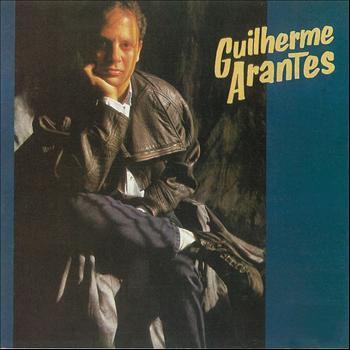
 View Artist