Song Meaning
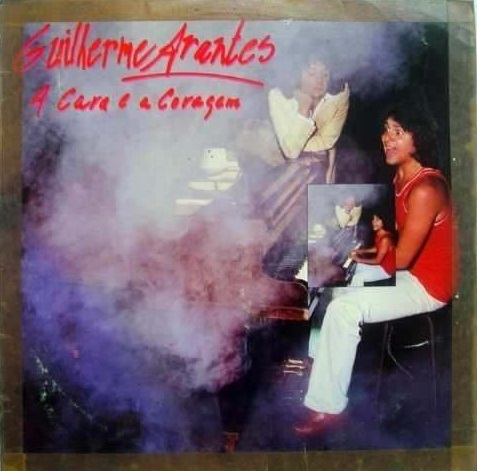
Guilherme Arantes' "14 Anos" isn't just a nostalgic trip; it's a starkly honest autopsy of adolescent yearning. The song dissects the awkward reality of being a 14-year-old, caught between the burgeoning desires of youth and the frustrating limitations imposed by circumstance and expectation. It's a portrait of a young man observing the adult world from a distance, a world seemingly filled with unattainable pleasures – beautiful women, fast cars, and glamorous parties – all tantalizingly out of reach. The repeated questioning "(e vocês ?)" implicates the listener, drawing them into a shared experience of youthful frustration and perhaps a knowing smile of recognition. This invites reflection on whether the listener also experienced such longing and disillusionment during their own adolescence.
The lyrics paint a picture of a sensitive soul, disillusioned with the superficiality he perceives around him. The mannequins and idealized women in "filme francês" represent an artificial standard of beauty and romance, inaccessible and ultimately unsatisfying. This fuels a desire for something more, a desire that manifests as a dream of becoming a singer. This ambition isn't necessarily rooted in a genuine artistic calling, but rather as a means to acquire the very things that seem so elusive: "Garotas e carros, roupas da moda / Festas incríveis da mais alta roda." It's a classic adolescent fantasy, a belief that fame and success will automatically unlock the doors to happiness and fulfillment.
However, this dream is quickly tempered by reality. The singer's parents, with their "fatos cruéis," represent the voice of reason, shattering his aspirations and grounding him in the harsh realities of life. The image of "devorando as vitrines das ruas / E as revistas de mulheres nuas" speaks to a pent-up frustration, a longing that cannot be satisfied. These objects of desire are presented as "brinquedos feito p'ra não se tocar" – toys designed to be admired from afar but never truly possessed. This reinforces the theme of unattainability, the sense that the things he craves are forever out of reach. The song ends with the repetition of the phrase "Como solução da minha dor...", suggesting that the singer is still searching for a way to alleviate the pain of adolescence, a pain that perhaps continues to resonate even beyond those formative years.
 View Artist