Song Meaning
The lyrics paint a stark picture of contemporary existence, asserting that hell isn't a future punishment but a present reality. The narrator observes a world fixated on invisible boundaries, like private property, which are presented as hollow sanctuaries. This immediate, tangible suffering forms the bedrock of the song's bleak outlook.
The central tension lies in the narrator's self-identification with the "ruins of the present" and the "anxiety of the everyday." This feeling of being a survivor, not of a past catastrophe but of ongoing societal decay, positions humanity as superfluous and condemned to wander. The repeated phrase "Nous sommes les prochains survivants" (We are the next survivors) underscores a desperate, almost resigned, hope for continuation amidst this perceived collapse.
The most striking aspect is the portrayal of humanity as "zombies-clients" and "resigned consumers." This critique of modern consumerism suggests a loss of agency, where people are driven by external forces and superficial desires, becoming mere "under-proletariat" trapped in a cycle of consumption. The "invisible architectures" of societal structures are contrasted with the tangible "ruins" the narrator inhabits, highlighting a disconnect between perceived order and lived experience.
Ultimately, the effectiveness of these lyrics stems from their unflinching gaze at a seemingly inescapable present. The repetitive, almost chant-like chorus amplifies the sense of existential dread and the collective condition of being trapped. It's a powerful, if grim, commentary on alienation and the search for meaning in a world that feels increasingly fragmented and devoid of genuine sanctuary.
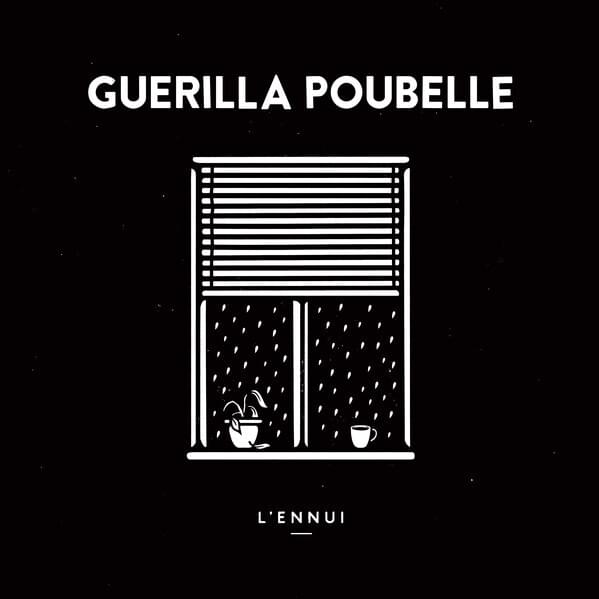
 View Artist