Song Meaning
The lyrics paint a bleak picture of humanity's relationship with the planet, suggesting a self-inflicted doom driven by a flawed concept of progress. The opening lines immediately establish a sense of societal complicity, where even those who carry out harmful actions are "justified" by an "ecological urgency," a phrase that twists environmental concern into a rationale for destruction. This sets a tone of bitter irony, where the very things meant to save us are used to rationalize our downfall. The narrator feels alienated, observing how clear-sighted individuals are "over-packaged" and exhausted by their "critical spirit."
The core tension lies in the contrast between the "fiction of progress" and the grim reality it creates. This progress is explicitly labeled "insalubrious," highlighting its toxic nature. The repeated declaration, "We are the waste of this absurd world," is a powerful indictment, casting humanity not as masters of creation but as its discarded byproducts. This feeling of being déclassé, of being the refuse of a system we built, is central to the song's despair.
The imagery of a "red moon and a black sun" evokes a cosmic imbalance, a world turned upside down where natural order is shattered. The "train of the end of the world" has already departed its final station, a stark metaphor for the irreversibility of the situation. There's no turning back; the journey towards destruction is already underway, leaving no room for hope or intervention. The relentless repetition of the phrase "We are the waste of this absurd world" hammers home this sense of finality and collective culpability.
This lyrical construction is effective because it uses stark, almost apocalyptic imagery to mirror the narrator's profound disillusionment. The language is direct and accusatory, forcing the listener to confront the idea that humanity is not just a victim of circumstance but the architect of its own obsolescence. The song's power comes from its unflinching portrayal of a world where progress has led not to salvation, but to a state of being utterly disposable.
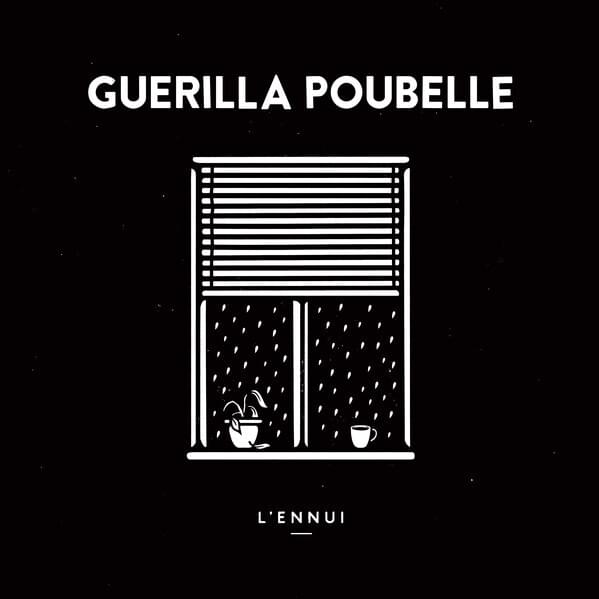
 View Artist