Song Meaning
The lyrics paint a visceral picture of profound physical and mental exhaustion, bordering on self-destruction. The opening lines immediately establish a sense of brokenness and disorientation, with the narrator feeling physically battered and mentally blank. The imagery of dried blood and a lost count of fingers suggests a violent past or a reckless present that has left them severely impaired. It's a raw, unflinching portrayal of someone at their absolute limit.
The central tension arises from this overwhelming physical agony juxtaposed with a strange, almost archaic sense of honor and a desperate, bleak self-preservation. The narrator laments not having a "belle" (a beautiful woman) or a "cheval" (horse) for a duel, yet the "déshonneur" (dishonor) is declared internally, manifesting as this crushing physical pain. This internal conflict culminates in the chilling thought of suicide, a "balle dans la s'ringue" (bullet in the syringe), a grimly modern twist on a classic trope of facing down shame.
The recurring simile, "J'ai l'impression qu'un éléphant / A passer la nuit sur mon corps" (I feel like an elephant / Spent the night on my body), is a powerful, almost absurd image that perfectly captures the crushing weight of their suffering. It's not just pain; it's an overwhelming, suffocating presence. This feeling of being "tout plat" (all flat) and "tout mort" (all dead) amplifies the sense of complete depletion, making the casual mention of a gun feel like a logical, albeit tragic, extension of this state.
What makes these lyrics hit so hard is their brutal honesty and the unexpected, jarring comparisons. The contrast between the medieval imagery of duels and the modern, desperate act of suicide, all filtered through a lens of extreme physical and mental breakdown, creates a unique and unsettling emotional landscape. The narrator isn't just sad; they are physically ruined, and their internal world reflects this utter devastation.
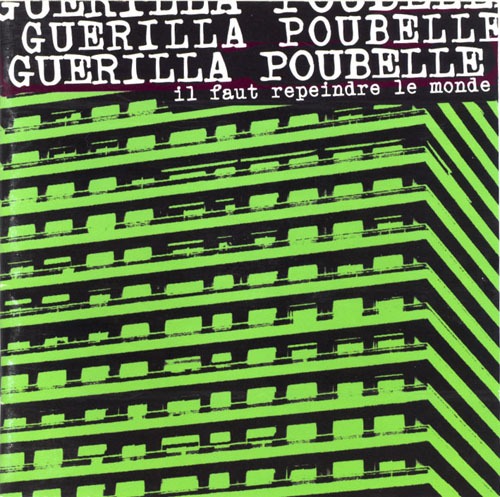
 View Artist