Song Meaning
The lyrics paint a bleak picture of relentless, unthinking movement, driven by a sense of dread and societal decay. The repeated phrase "En marche" (On the march, moving forward) sets a tone of unstoppable progression, but it's immediately undercut by images of "boule au ventre" (gut feeling of dread) and "open spaces de misère" (open spaces of misery). This isn't a triumphant march; it's a forced march through hardship.
The central tension lies in the contrast between the idea of progress and the reality of decline and exploitation. The "code du travail au bulldozer" (labor code bulldozed) and marching "comme du bétail" (like cattle) highlight a dehumanizing system. The march is not towards betterment but towards "burn-out" and "banqueroute" (bankruptcy), dictated by "le pas du libéralisme" (the pace of liberalism).
The lyrics powerfully use repetition and specific, jarring details to convey their message. The recurring "En marche vers le burn-out / En marche vers la banqueroute" emphasizes the inevitable, bleak outcomes. The mention of "Article 49, alinéa 3" grounds the critique in a specific political context, suggesting executive power overriding democratic process, further fueling the sense of being marched into a predetermined, undesirable future. The final "Gauche, droite..." suggests a political spectrum that offers no real alternative to this march.
This relentless, almost suffocating depiction of societal movement creates a visceral feeling of being trapped. The writing effectively uses the metaphor of a march to illustrate a collective, involuntary progression towards negative consequences, leaving the listener with a profound sense of unease and critical awareness of the forces at play.
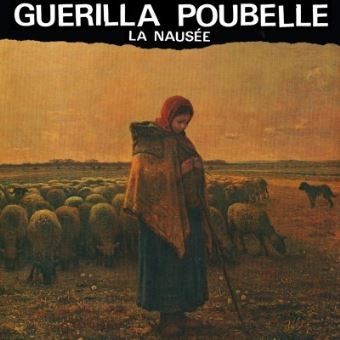
 View Artist