Song Meaning
The lyrics paint a vivid picture of a singular, intensely felt night of love, centered around a shared, almost magical experience. The narrator recalls a specific moment, symbolized by "un pedazo de luna" (a piece of the moon), which represents the entirety of their shared joy and connection during that single night. This fragment of moonlight becomes the focal point, suggesting a love so potent it felt like possessing a celestial body, even if only for a fleeting moment. The setting, a desolate "tierra sin vida" (lifeless land), amplifies the intensity of their passion, making their private world feel boundless and complete.
The core tension lies in the contrast between the profound emotional richness of that night and the narrator's present ability to offer material wealth. The narrator states, "Hoy te puedo comprar / Un pedazo de mar / Y una luna completa" (Today I can buy you / A piece of the sea / And a whole moon), highlighting a shift from spiritual or emotional fulfillment to material possession. Yet, despite this newfound capacity for grand gestures, the narrator is certain it won't bring the same genuine happiness: "Que no vuelves a estar / Tan deveras contenta" (That you won't be / So truly happy again). This underscores the idea that the most precious moments are often intangible and irreplaceable by wealth.
The recurring image of "un pedazo de luna" functions as a powerful motif, representing not just a fragment of light but the essence of a perfect, albeit brief, union. It's described as a "cosa perdida" (lost thing), emphasizing its ephemeral nature and the sense of discovery associated with their love. The lyrics suggest that this shared moment, under a "tree in the field" as their only shelter, made them feel like "the owners / Of life and the world." This grandiosity, born from shared intimacy rather than external validation or possessions, is what the narrator now recognizes as the true treasure.
Ultimately, the effectiveness of these lyrics stems from their poignant exploration of memory and value. The narrator's reflection isn't about regret for lost time, but a deep understanding that the most profound happiness was found in a simple, shared experience. The contrast between the past's emotional wealth and the present's material abundance serves to elevate the memory of that single night, proving that true contentment can be found in the smallest, most fleeting of moments, like a sliver of moon illuminating a dark sky.
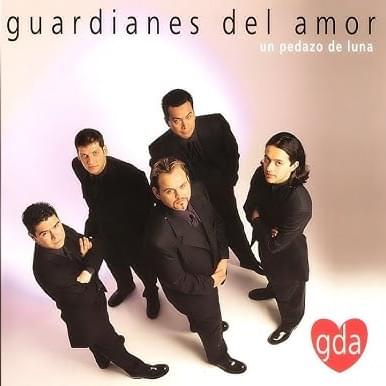
 View Artist