Song Meaning
The narrator is drowning in the aftermath of a breakup, clinging to the memory of a past love. The opening lines immediately establish a tone of regret and resignation, acknowledging the pain of remembrance and the finality of lost time. There's a stark admission: "I won't forget you nor will I try," a testament to the profound impact this person had, described as "the best I ever knew." This isn't just sadness; it's a deep-seated ache that colors every thought.
The core of the song lies in the narrator's desperate plea and lingering disbelief. The repeated address, "Niña," feels both tender and desperate, a direct appeal to someone who was once intimately theirs. The lyrics reveal a profound sense of loss, stating, "My loneliness was born with your departure." This isn't a simple missing someone; it's the creation of an existential void, a life irrevocably altered by a single goodbye. The plea "I ask you to return to me" underscores the narrator's inability to move forward.
The second verse introduces a layer of confusion and self-recrimination. The narrator admits to giving "too much love" and mistakenly believing their partner was happy, highlighting a potential disconnect in the relationship. The line, "If I failed you in anything, I never noticed," points to a painful realization of ignorance, a blindness to the issues that led to the separation. This bewilderment fuels the ongoing search for an answer: "And I still look for the reason that took you from me."
Ultimately, the song's power comes from its raw, unvarnished expression of heartbreak and helplessness. The narrator isn't seeking closure or growth; they are trapped in the moment of loss, replaying memories and desperately wishing for a return to a past that no longer exists. The simple, direct language and the repetitive structure of the chorus amplify the feeling of being stuck, unable to escape the pain of a love that has been irrevocably lost.
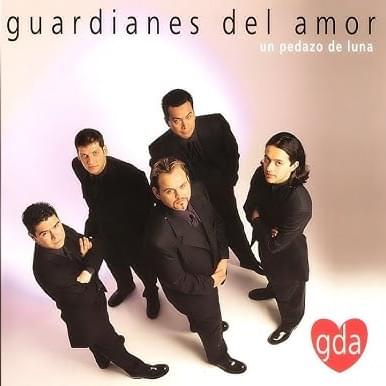
 View Artist