Song Meaning
The narrator is desperately trying to preserve their inner world of imagination and music before it's encroached upon by conformity and imposed order. The lyrics paint a vivid picture of this impending takeover, where the 'tracks of imagination' are being replaced by 'tram tracks' and the 'five-line staff' by 'curb lines.' This suggests a loss of creative freedom and a forced march towards a more rigid, mundane reality.
The central tension lies in the narrator's resistance to this external imposition. They fear their 'dreamy head' being pulled from the clouds to see 'asphalt more clearly,' and their personal 'music' being replaced by 'their hymns.' This isn't just about a change in environment; it's about the suppression of individuality and authentic expression in favor of a standardized, perhaps even authoritarian, cultural output.
The most striking craft element is the consistent use of 'Zanim' (Before) to structure the poem, creating a sense of urgency and a race against time. This repetition emphasizes the narrator's awareness of the inevitable changes and their desire to act before they are completely subsumed. The final act of locking themselves 'in the piano' is a powerful, albeit claustrophobic, image of self-preservation, choosing a confined personal space over the imposed public one.
Ultimately, these lyrics resonate because they capture a profound fear of losing one's unique creative spirit to the pressures of the outside world. The narrator's retreat into the 'tight' but personal space of the piano highlights the emotional cost of maintaining authenticity when faced with overwhelming conformity, offering a poignant, if somber, resolution.
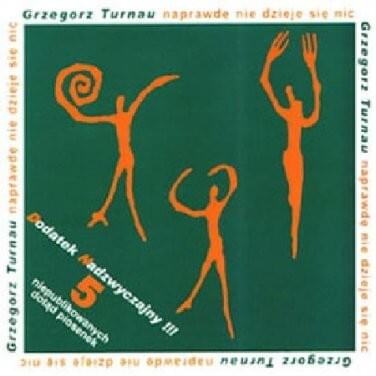
 View Artist