Song Meaning
The lyrics paint a stark picture of life's inherent meaninglessness and the inevitable separation of all things. The opening lines immediately establish a tone of confusion and futility, comparing existence to tangled, cemetery-bound vines. This imagery powerfully conveys a sense of being ensnared and ultimately decaying, where connections are transient and destined to break apart. The repetition of "Wszystko, co się złączy / Znowu się rozłączy" ("Everything that joins / Will again separate") hammers home this theme of impermanence and loss.
Despite this pervasive sense of futility, a profound paradox emerges: "Lecz bardzo jest święte" ("But it is very holy"). The lyrics suggest that even within this meaningless, tangled existence, there is a sacredness. This isn't a joyous or easily understood holiness, but one that arises from the very act of enduring. The narrator appears to find a peculiar sanctity in the struggle itself, acknowledging the pain and confusion but recognizing a deeper, albeit somber, value.
The most striking craft element is the persistent, almost oppressive, imagery of intertwined vines in a cemetery. This isn't just a metaphor; it's a visceral depiction of life's entanglement and its ultimate destination. The "pnączy" (vines/creepers) that are "pogmatwanych" (tangled) on "cmentarzach" (cemeteries) become a recurring motif, grounding the abstract feelings of meaninglessness in a concrete, morbid landscape. This visual anchors the emotional weight, making the abstract concepts of loss and futility feel tangible and inescapable.
Ultimately, the lyrics find their emotional resonance not in resolution, but in a quiet, stoic acceptance. The idea that "sens nie w szarpaniu / Ani jest w radości / Ale w cierpliwości / I wielkim czekaniu" ("meaning is not in struggling / Nor is it in joy / But in patience / And great waiting") offers a profound, if melancholic, perspective. The arrival of a "święty" (saint) who will "Wszystkie wytłumaczy / Przebyte męczarnie" ("explain all / The torments endured") suggests a future understanding or solace, but the immediate focus remains on the endurance required to reach it. This emphasis on patience and waiting, amidst the chaos and decay, is what gives these somber reflections their enduring, almost sacred, power.
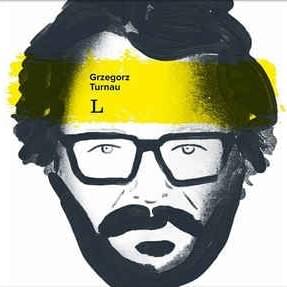
 View Artist