Song Meaning
The lyrics present a stark, almost allegorical scene where human longing, personified as "ludzka tęsknota," interrogates its own boundaries. It questions whether its end lies in unattainable heights or overwhelming sorrow, setting up a profound existential query. This longing then turns to death itself, seeking an answer about its ultimate cessation within the grim imagery of "całunnym gźle" – a nest of shrouds, suggesting a place of finality and decay. The repetition of the central question emphasizes the relentless nature of this search for an end.
The core tension arises from the direct confrontation between this deep human yearning and the concept of death. Longing desperately seeks a definitive endpoint, a place where its pain or its very existence will cease. The interaction is framed as a plea, a desperate question posed to the ultimate unknown. The choice of "śmierć" (death) as the interrogator’s target highlights the extremity of the longing's search for resolution.
The most striking element is death's simple, definitive refusal: "Nie" (No). This single word, repeated after the same desperate questioning, negates the possibility of finding an end even in death itself. It suggests that the human condition, as represented by this "longing," transcends even the finality of mortality. The imagery of "skałach niedosiężonych" (unreachable rocks) and "morzu łez" (sea of tears) paints a picture of immense, perhaps insurmountable, suffering and aspiration, only to be met with an even more profound cosmic denial.
This lyrical structure creates a powerful sense of unresolved existential dread. The relentless questioning, coupled with death's absolute negation, leaves the listener with the unsettling implication that this human longing is an eternal, inescapable force. The effectiveness lies in its stark simplicity and the profound philosophical weight carried by the personification and the dialogue, making the abstract concept of unending yearning feel viscerally present.
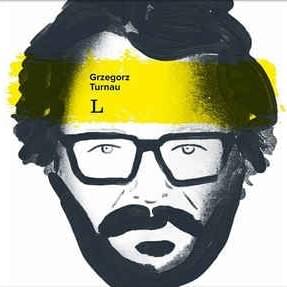
 View Artist