Song Meaning
Grant-Lee Phillips' interpretation of "Wave of Mutilation" presents a stark tableau of resignation and escape, framed by the relentless power of the ocean. The opening lines, "Cease to resist, givin' my goodbye / Drive my car into the ocean," immediately establish a sense of finality, a deliberate act of disappearing. But the twist, "You think I'm dead, but I sail away," subverts the expected tragedy. It's not about annihilation, but rather a transmutation, a shedding of one existence for another. The "wave of mutilation" isn't necessarily physical destruction; it's the brutal, transformative force of nature reshaping identity. It suggests the crushing weight of societal expectations or personal burdens, leading to a radical break. Phillips’ rendering strips away the original’s frenetic energy, exposing the quiet desperation beneath.
The subsequent verses deepen this sense of immersion and transformation. Encounters with mythical creatures ("I've kissed mermaids") and powerful natural phenomena ("rode the El Niño") paint a picture of someone fully embracing this new, aquatic reality. The line, "Walked the sand with the crustaceans," is particularly evocative, suggesting a merging with the marine ecosystem. The reference to Mariana, presumably the Mariana Trench, hints at a journey into the deepest, most unknown parts of the self. This isn't just about physical travel; it's a descent into the subconscious, a confrontation with the hidden aspects of one's being.
Ultimately, Grant-Lee Phillips' "Wave of Mutilation" becomes a powerful metaphor for self-redefinition. The repeated chorus, rather than a celebration of destruction, serves as a mantra of metamorphosis. It's about shedding the old self, even if that process is painful and disorienting, in order to emerge anew. The ocean, in this context, is both a tomb and a womb, a place of ending and beginning. The song meaning, therefore, lies in the courage to embrace radical change, to dive deep into the unknown, and to allow the forces of nature, both internal and external, to reshape us.
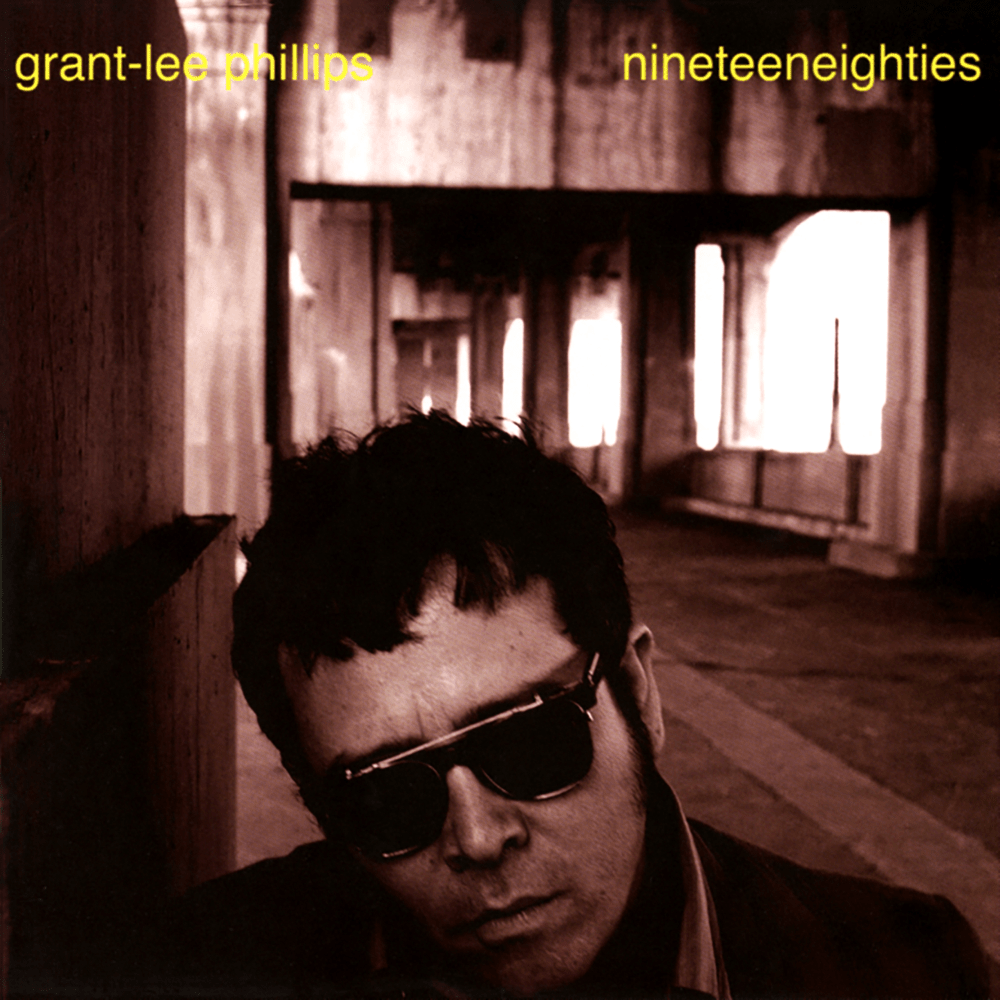
 View Artist