Song Meaning
Grant-Lee Phillips' "I Often Dream of Trains" isn't about transportation; it's a melancholic meditation on yearning and the bittersweet ache of anticipation. The recurring motif of trains serves as a potent symbol for journeys both literal and metaphorical, blurring the lines between waking life and the subconscious landscape. Phillips masterfully evokes a sense of perpetual transit, suggesting a restless spirit forever seeking something just beyond the horizon. The destinations themselves—Basingstoke, Reading—feel deliberately mundane, grounding the fantastical elements in a relatable reality. It's not about arriving in paradise, but the act of dreaming itself. The lyric analysis reveals a portrait of someone caught in a loop of longing.
The shift from summer to winter "overnight" and the dread of the early sunset points to a deeper anxiety, a fear of time slipping away and opportunities missed. This sense of urgency underscores the speaker's persistent dreaming, suggesting it's a coping mechanism against the harsh realities of life. The train, therefore, becomes a vehicle for escaping the present, even if only temporarily. The buffet car, where he waits "for eternity," is a liminal space, a purgatory of sorts where hope and resignation intertwine.
Ultimately, the song's emotional core lies in the desire for connection. The final verse, where the speaker wonders if his lover shares the same train dreams, introduces a glimmer of hope. The image of meeting "out in the corridor" speaks to a shared journey, a potential for intimacy found in the midst of their individual wanderings. The repetition of "Baby" at the song's close infuses the track with a palpable vulnerability, suggesting that the ultimate destination is not a place, but a person. "I Often Dream of Trains" is a beautiful, haunting exploration of the human need for escape, connection, and the enduring power of dreams.
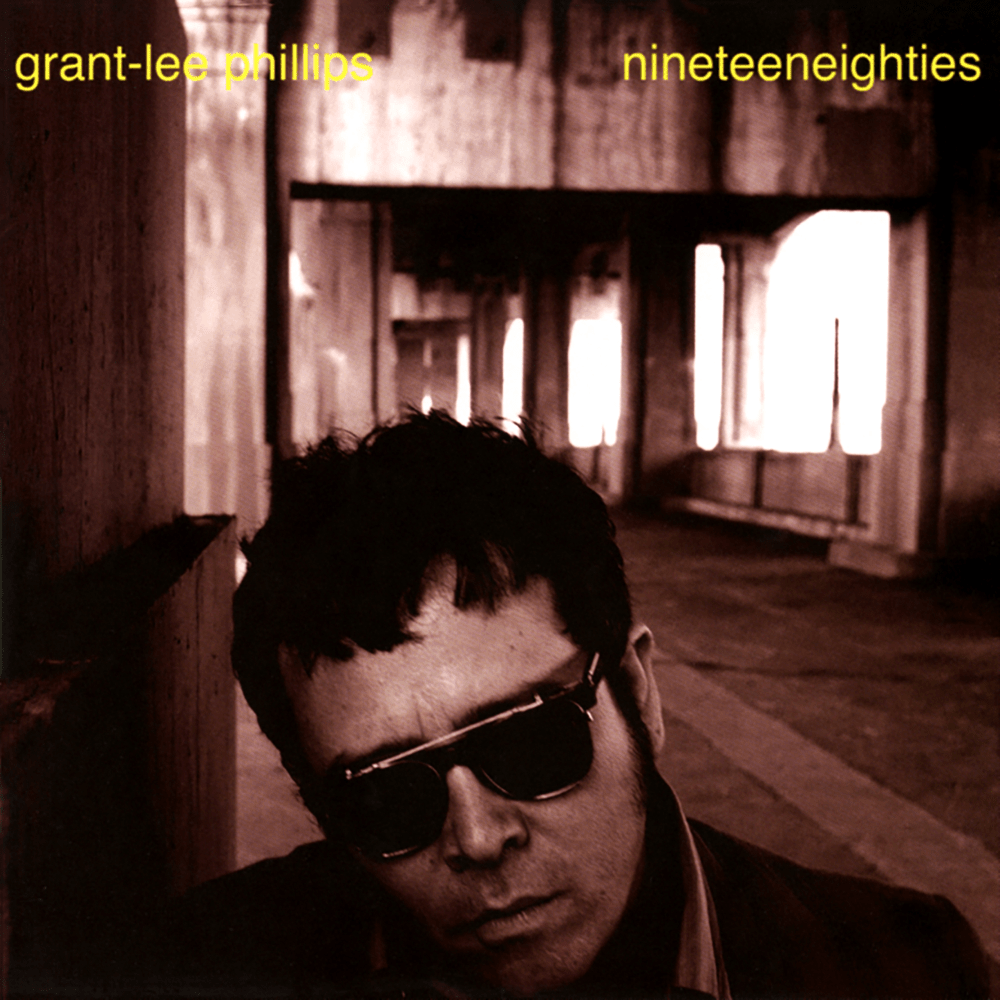
 View Artist