Song Meaning
The narrator is pleading with "Venus," a figure embodying love and youth, for just one more night. There's a palpable sense of desperation, a desire to recapture a past intimacy that feels just out of reach. The repeated calls of "Oh, Venus" and the plea "Sólo esta noche déjame" (Only tonight, let me) underscore this urgent, fleeting hope. The narrator seems to be clinging to a memory or a possibility, wanting to relive a moment where everything felt possible, like "yesterday."
The core tension lies in the contrast between the narrator's overwhelming desire and the apparent elusiveness of the object of their affection. The lyrics paint a picture of a life that feels "desierta" (deserted) without this presence, yet the narrator is willing to keep their "puerta abierta" (door open) in hopes of a connection. This creates a poignant dynamic of vulnerability and persistent longing, a willingness to wait and hope even when the outcome is uncertain.
The invocation of Venus as a "pagana inspiración de juventud" (pagan inspiration of youth) is particularly striking. It elevates the desired connection beyond a simple romantic encounter, framing it as a source of vital energy and creative spark. The narrator sees this figure not just as a lover, but as a muse, a goddess of love whose light can fill their own perceived emptiness. The wish to be taken to a world "donde siempre brilla el sol" (where the sun always shines) further emphasizes this idealization, suggesting a yearning for an eternal, blissful state.
Ultimately, the effectiveness of these lyrics stems from their raw emotional honesty and the evocative imagery used to express profound longing. The simple, direct pleas, combined with the elevated, almost mythical status given to "Venus," create a powerful sense of yearning. It captures that universal human desire to hold onto fleeting moments of happiness and to find inspiration in the people we love, even when faced with the possibility of loss.
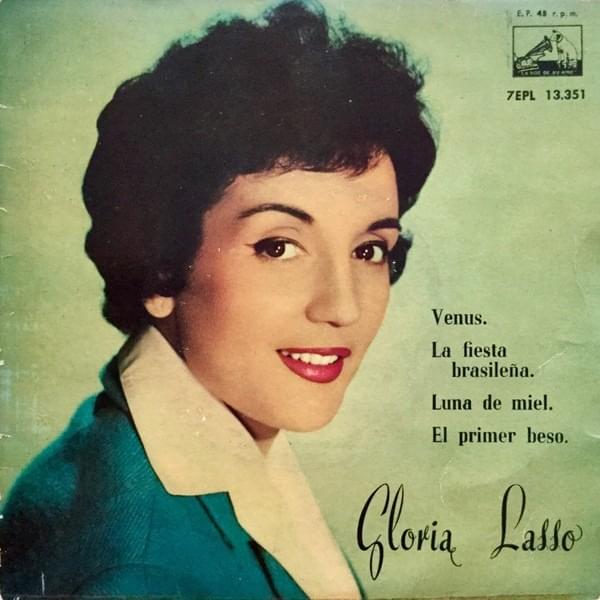
 View Artist