Song Meaning
This song captures a profound sense of wonder and bewildered gratitude for a love that feels almost divinely ordained. The narrator grapples with the inexplicable nature of this connection, repeatedly stating "Nunca sabré" (I will never know) how their soul was ignited or the miracle of love that bloomed. It paints a picture of a love so potent it feels like a fundamental force, a mystery that has irrevocably altered the narrator's existence. The "Luna de miel" (Honeymoon) serves as a recurring motif, representing this blissful, almost surreal state of new, intense love.
The central tension lies in the narrator's inability to comprehend the origin or mechanics of this powerful affection. They don't know how their soul was lit, why they feel the other's pulse, or the wind that carried this love. Yet, despite this lack of understanding, the connection is absolute and deeply physical. The narrator's life "llama tu vida" (calls your life), seeking their eyes, kissing their ground, praying in their sky, and beating in their temple. This intense, almost devotional physical and spiritual merging highlights the overwhelming, unanalyzable power of their bond.
The lyrics employ vivid, almost spiritual imagery to describe this all-consuming love. The repeated actions – kissing the ground, praying in the sky, beating in the temple – suggest a complete surrender and devotion, as if the beloved is a sacred entity. The idea of "tiempo es la brisa" (time is the breeze) that beckons the beloved's soul is a beautiful personification, implying that even time itself conspires to bring them together, promising a future where everything "amanece por ti" (dawns for you). This suggests that the beloved is the source of light and new beginnings for the narrator.
What makes these lyrics so effective is their honest portrayal of love as an overwhelming, often irrational force. The narrator doesn't need to understand it to feel its depth; the mystery is part of its magic. The constant refrain of "Nunca sabré" paired with the intense physical and spiritual descriptions creates a powerful paradox. It's the feeling of being swept away by something greater than oneself, a beautiful surrender to the inexplicable miracle of finding a soulmate, encapsulated perfectly in the recurring, blissful image of the "Luna de miel."
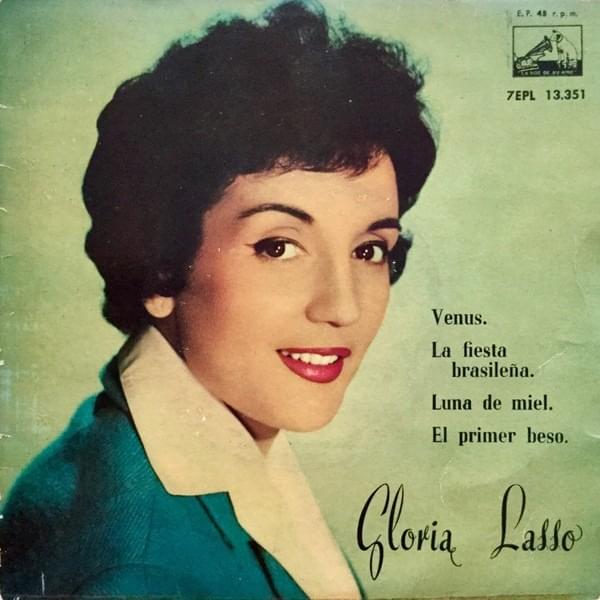
 View Artist