Song Meaning
This short intro sets a scene of a transaction, likely a purchase or a fee collection, with a clear power dynamic. The initial questions, "Pangalan?" (Name?) and "Pang-ilan mo na ba 'to?" (What number is this for you?), establish an interrogative tone, as if the speaker is registering or accounting for something. The response, "Aristotle Pollisco po, uh, pangwalo na po," reveals a name and a count, suggesting this is a recurring interaction or a numbered item.
The core tension emerges from the question of payment and the subsequent instruction. "Nagbayad ka na ba?" (Have you paid yet?) is met with uncertainty: "Sa'n po ba magbabayad?" (Where do I pay?). This uncertainty is immediately resolved by the speaker, who offers a direct, informal solution: "Sige, kahit sa'kin na lang" (Okay, just to me is fine).
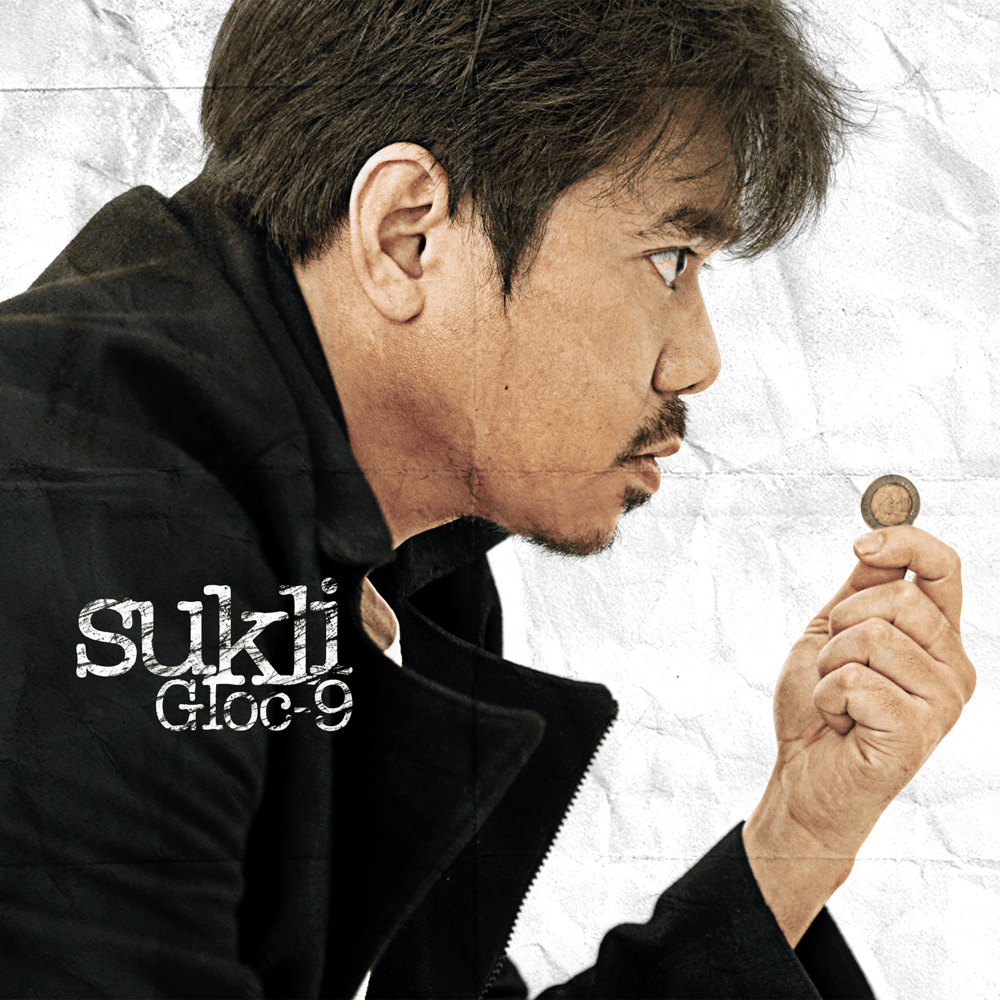
The most striking element is the final, almost dismissive qualifier: "Barya lang ah..." (Just change, okay...). This phrase significantly colors the preceding interaction. It implies the amount owed is small, perhaps insignificant to the speaker, or that they are willing to accept even the smallest denomination. It subtly shifts the perception of the transaction from a formal exchange to a casual, almost perfunctory one, highlighting a potential lack of seriousness or a casual disregard for the exact sum.
This exchange is effective because it immediately grounds the listener in a specific, relatable scenario of minor transactions and the subtle social cues that accompany them. The brevity and directness of the dialogue, coupled with the final emphasis on "barya lang," create a sense of casual authority and a hint of world-weariness, making the listener wonder about the context of this repeated, small-scale exchange.
 View Artist